Are you looking to get some exercise, connect a little with some people who aren’t in your house without resorting to Zoom, and do it all while safely following prevention measures? Here is a game for you to consider: Parade Tag!
Parade Tag Instructions
Get a committed participants list in walking distance of one another.
Pick a parade theme that you can dress up for while masked, and be sure it is one that the participants will be able to afford to engage with. Depending on the culture in your area, it may be best to decide this before working on Step 1.
Pick an order of households to create your parade loop and make sure everyone knows what the order is so they know where they are going.
Schedule a parade day that works for everyone. Depending on the culture in your area, it may be best to pick the schedule first before working on Step 1.
Plan your household’s costumes.
The first group goes to the next house and waves through the windows. Dancing and silliness are recommended but not required. After they’ve retreated a safe distance on their way back home, the second group leaves and goes to the third house. And so on, until the last group goes to the first house.
Considerations
If you have people who want to participate but cannot leave their homes, place them in the loop anyway. The people right before them on the list can wave through the windows to them, then continue on to the next house.
Make sure everyone is in agreement ahead of time about what a “safe distance away before the next group leaves their house” is. You can also mark these distances on the ground with chalk ahead of time if sidewalk chalk is permitted in your area.
From deciding which soap to use or which light bulb to buy to discerning which politician is telling the truth about things like climate change or the proper approach to Covid-19 concerns, science is a big part of our daily lives. Most people, though, aren’t scientists. Chances are, you don’t have the time or money to just go out and get yourself a degree in a science field.
How do people go about fact checking scientific information when most people don’t have a background in science? In my experience as a scientist, frankly, most people do it rather badly. The worst part is how many people don’t realize that they are doing it badly and consequently both draw horribly incorrect conclusions and profess their false ideas to others, spreading misinformation.
And yet, as a tutor, I also recognize that people are genuinely doing the best they can with the information available to them. It is very easy to draw the wrong conclusion when the information one has is incorrect or insufficient. My intention with this piece is to provide information and context to support the non-scientist reader in spotting bad science, incorrect science reporting, and the outright lies so many politicians are fond of spouting.
Comic from XKCD; permalink: https://xkcd.com/1217/ Description: A scientist in a lab coat stands on a chair, aiming a handgun down at a Petri dish on a lab bench near a microscope. Text reads, “When you see a claim that a common drug or vitamin “kills cancer cells in a Petri dish,” Keep in mind: So does a handgun.”
Part 1: The Scientific Method and Experiment Design
“Science” refers to a method for discerning truth, to a body of knowledge collected by generations of scientists, and in many ways, to a culture. The scientific method is the process by which scientists determine which facts are true.
The general steps of the scientific method are as follows:
Propose a question.
Do background reading about relevant known information.
Form an hypothesis (an informed guess as to the answer of the question).
Create an experiment to test the hypothesis.
Run the experiment.
Collect data.
Analyze the data.
Form a conclusion about the hypothesis, or go back to step 4 and repeat the process as needed to have enough information to form a conclusion.
Communicate the conclusion.
If you are new to the scientific method, check out this site for more details in an interactive format. It’s designed for kids doing science fair experiments, which makes it easier to read regardless of your age. In fact, science materials designed for kids are great for all ages for just that reason. If you want something more detailed, the kids version will give you enough context to be able to find and understand it.
Each one of the steps in the scientific method has its own standard set of rules intend to guide the scientist toward truth while circumnavigating the scientist’s own biases. Experiment design is a big part of this.
Controls are necessary. Scientists use an experimental group and a control group when doing experiments in order to have a basis for comparison.
For example, when I was in sixth grade, I tested my fifth grade teacher’s running program to see if it impacted lung capacity. I measured the lung capacity of her entire class of students periodically throughout the term. This showed a growth in lung capacity, but that alone was not enough information to determine whether there was a correlation between the running program and the changes in lung capacity. Other variables abounded, such as the changing seasons, the natural growth of children over time, and so on. In order to determine whether there was a correlation, I needed to use a control group which had all the same variables except the running program. I used the next door fifth grade class in the same building, which did not have a running program. This group did not show any growth in lung capacity, making the data I collected far more useful.
Note: If the class I used for my control group had been kids of a different grade, or at a different school, or if I had collected the information during a different part of the year, then it would not have been a good control group because here would have been more than just one variable that was different between the experimental group and the control group.
When evaluating scientific information, claims, and journalism, keep an eye out for problems with the scientific method or with control groups. If you can’t determine whether these things were done properly, it’s best to disregard the information as unverifiable. It may be true, or it may not be. Not knowing is part of science. Get comfortable with not knowing.
Part 2: The Reality of Science
The reality of science is a bit imperfect compared to what popular media has to offer. Have you ever watched a science fiction show where a character uses a handheld device or other instrument to “scan” something, and instantly finds out a whole pile of information about the object in question? That is pure fiction. The real world doesn’t have that kind of technology yet, and likely won’t in our generation’s lifetime. If a scientist needs to test a water sample for contaminants, for example, that scientist will need to run a separate test for each potential contaminant, and each of those tests takes time. The length of time ranges from minutes to days depending on the procedure. For bigger projects, such as studying a new phenomenon, science takes months or years, sometimes even decades, to produce reliable conclusions.
The reality of the timing involved in science is one of the key concepts you can use when fact checking science articles. Claims of detailed knowledge of brand new phenomena are probably not based in evidence, whether or not they end up turning out to be correct guesses. Think back to when Covid-19 first started. Remember all the firm claims that ended up being wrong? Be wary of science reporting about new phenomena, especially if the reporting doesn’t take into account the concept that “we don’t really know for sure yet” in the language.
In addition to limitations, science is subject to bias. This is true both of scientists when conducting science, and of reporters when engaging in science reporting. Scientists are products of our own cultures, which means our biases influence the way we think, and therefore the way we design experiments and interpret the results. This is especially prominent in anthropology (the study of humans), but all other scientific disciplines struggle with this as well.
In order to help prevent biases and other issues from harming the validity of the scientific body of knowledge, scientists participate in something known as “peer review.” When science journals publish scientific research, the process involves having other scientists who did not work on the project review the documents, procedures, and conclusions for proper scientific method and accuracy. This process is very rigorous. When fact checking science, look for peer reviewed articles.
And finally, be aware of the limits of scientific observation. There is a lot we don’t know about, due in part to simply not having the technology to allow us to observe it. Not knowing is part of science. Get comfortable with not knowing, with being willing to hold space for an unknown rather than trying to fill it in without having enough evidence to do so.
Part 3: Understanding The Numbers
Numbers are a big part of science. We use them to describe our observations so that other people can understand what we witness. We also use them to do calculations to figure out more information about our observations.
As you might already know, math can get very complicated. However, you don’t have to go learn calculus or statistics in order to be a discerning individual when it comes to evaluating scientific claims. That said, the most important math to understand for this purpose is probably statistics. Statistics are often twisted, misrepresented, and simply misunderstood in science journalism and by politicians.
Please pause after this paragraph to watch the 12-minute video embedded below to start to get a basic idea of how statistics works. If there are vocabulary words you don’t understand, then pause the video and look them up before continuing. This video contains example problems to do on your own. You can use them to evaluate your understanding of the concepts. If you can do them, then you have a grasp of this knowledge and can use it when evaluating scientific claims. If you can’t, or if you choose to skip them, that’s okay too – it means that you know you don’t have a strong enough grasp of these concepts to evaluate related claims. If this is you, then it is important to remember to put any statistical information you see in the “I do not know if this is true because I am not able to evaluate it” box in your head rather than immediately believing or disbelieving it. Again, get comfortable with not knowing.
When you are reading about science, activate your critical thinking whenever you see numbers. Are units provided? If something went 13 kilometres, that’s a lot farther than 13 feet. Are numbers presented in a way that makes sense? For example, looking at the total number of deaths due to Covid-19 between countries is not as useful as looking at the total number of deaths per capita. “Per capita” means “per person.” This is how to adjust for population size. Think of it this way: If 1,000 total people die in Rhode Island, that’s a lot different than if 1,000 total people die in California because California has so many people in it. If 1,000 people die per every 5,000 people in Rhode Island, then it is the same rate of death as if 1,000 people die per 5,000 people in California. This is why “per capita” numbers are often more useful than total numbers.
Part 4: Reading Scientific Literature
If you have never read a scientific study before, it can look daunting. Studies are filled with scientific jargon making them difficult to read, even for scientists. The key is to read them more than once, look up words you don’t know, and focus on specific parts of the study.
The abstract is a good place to start. This section summarizes the process and results of the study. Sometimes the abstract has all the information you need to fact check the article or meme which was supposedly based on the study. The other parts of the study are valuable if you wish to gain a detailed understanding of how the study was run, especially if you wish to evaluate whether it was done properly.
Part 5: Evaluating Articles
As mentioned above, research journalism is rife with bias and outright error. Be skeptical of headlines designed to evoke an emotional response. Here are some practical questions to ask yourself when evaluating articles that make scientific claims:
When was this article written? If it was written a long time ago, have there been new breakthroughs since then?
Who wrote it, and why? How might that bias the writing?
Does the article site its sources, including links to any scientific studies the article claims as sources? If not, disregard the entire article as it is not credible.
Do the abstracts of the original studies actually support the claims in the article?
If the article uses numbers, does this article use them in a way that makes sense?
Part 6: Sharing Information
If you struggle with holding space in your mind for the unknown, it may be difficult to read false information without absorbing some of it into your belief system. There is a big difference between believing something yourself and asking others to believe it. To ensure that what you share with others is true, it is a good idea to create a system for determining what you will share. Consider these questions:
Have I actually fact checked this, or am I only sharing it because it fits with what I already believe?
Am I sharing this because it is true, or because I would be allowing my anger, hope, or another emotion press the share button for me?
Sometimes you won’t be able to fact check something. Maybe it relies on statistics you don’t understand, or maybe there is a paywall between you and the original study. If you can’t fact check it, then what? What do you do with that informational meme or science article which makes a really good point, but which you are struggling to fact check? In my opinion, you scroll past it, or you find an expert to ask about it. Don’t share what you can’t fact check.
This post topic was selected by the author’s Patreon patrons.
I have seen various prompts from the historians of today suggesting that this (life during the global shutdown of Covid-19) is something future historians will be interested in, and will wish to find primary sources of accounts of daily life. This is mine. I intend to update this post periodically. When I do so, I will start with the date and location of that writing. I will keep these updates here on this same post, in order to prevent spamming my followers with updates about a situation they are already stressing over. I am writing this on my blog instead of somewhere else because I haven’t kept a journal in years, and because posting this here will allow future historians to correlate what I have expressed here with what I believe about a variety of other topics.
Friday, March 21, 2020 (Seattle, WA):
Life is changing so rapidly that the rate of change has outpaced the internet, which is saying a lot. Every day sees significant changes to how we live, updated government mandates, changes to the collective knowledge humanity has about Covid-19, and more and more restrictions. The changes in medical knowledge happen so rapidly that sometimes doctors are still acting on previous news even though the WHO (World Health Organization) recommendations were updated. I’m pretty sure a global debate over whether ibuprofen and NSAIDs are safe for Covid-19 patients to take was started by a single doctor’s tweet. I’m “pretty sure” rather than “actually sure” because there is so much conflicting information even from legitimate sources that it is difficult to know what is real. That phenomenon is one that extends well beyond this virus, though, and has long been a festering problem here in the USA.
When we first heard about the virus here, it was limited to Wuhan, China. At least, that was what we were told; we found out later that China had tried to cover it up and severely punished the doctors who spoke out about it. It had been around longer than they were telling people. When it first came here to King County, I noticed the report of the diagnosis. Then, social media’s consensus buzz (at least, within my bubble) was that it wasn’t here yet. People became surprised when they noticed double-digit numbers of diagnoses. I found their surprise surprising and wondered why they had originally thought there were no cases here.
Testing has been slow here in the USA. Other countries got on that much faster than we did, and as a result, it is my personal opinion that Covid-19 has moved much further through the population than our numbers show. I’m pleased that so many states are shutting things down. Social isolation isn’t perfect, but without adequate testing to ensure proper quarantine and no vaccine, it’s our best bet for slowing this down. It appears to mutate about once every 14 days, or about once every other person it moves through. That means, in my mind (and I am not a doctor), that it will be similar to the flu if we can’t get an early lock down on it in terms of having a bazillion strains and no real way to create herd immunity. The difference, of course, is that SARS viruses are a lot harder on the body, require significantly more hospitalization, have longer recovery times, and result in more deaths per person who catches it. Older people die the most from it, too, and with their deaths we lose a significant amount of cultural value. Anything that targets a specific group of people threatens the diversity of the population, and diversity is an incredibly powerful part of what makes human collaboration so wonderful and powerful. My impression is that a lot of people don’t care if old people get sick or die. I have never understood that mindset. They are people, same as the rest of us. They are alive, and deserve to stay healthy just as much as anyone else. Their value is not diminished with their age. If anything, it’s the opposite. Their brains are walking history books and encyclopedias. They have so very much to offer our community.
When the initial suggestions to start reducing social interaction came out, businesses and events started closing and cancelling one at a time. It was like watching pieces of your life slip away quietly. Then, UW (University of Washington) closed its classrooms and made all courses shift to online. That was the start of the school closures in this state. Something I read said it was the first closure in the nation, but articles that claim something is the “first” aren’t always accurate. Like how most of Seattle thinks the mall in Northgate was the first one ever built and got all depressed about it closing because of that even though it wasn’t the first. Or all those men who are credited for being the first to do something a woman did first, or white people credited for being the first to do something someone of a different race did. But I digress.
As the schools began to close, I felt very afraid. I wasn’t afraid of the virus. I was afraid of losing my livelihood. I work two jobs. One is at a community college, supporting the chemistry lab. One is as an art teacher in after school programs. My boss runs a third party company that provides teachers and supplies. Schools contract with our company, and we go teach art, hand sewing, and machine sewing classes at elementary schools. In a typical term, I work at five different schools each week, six if you count the college. My first job to disappear was the one at the college. The school shifted all classes to a digital format with only a week or two of labs left. My boss sent us an e-mail and suddenly there were no hours at that job. Just, *poof* no work. At the other job, my boss got creative. She offered us hours doing behind-the-scenes work cutting out project pieces and organizing supplies in the stock room and so on via an online signup sheet. There were two weeks worth of signups available for anyone whose classes were canceled due to Covid-19 related closures. By the time the first week came to a close, the long term closures of all schools had been announced. With that, my boss closed the signups. With no income from parents signing their kids up for our classes, there is no money for her to pay us. There are no hours left until the schools open again on April 27th. (Personally, I think that the school closures are going to get extended.) Now, she is trying to come up with more creative solutions. She is selling pre-packaged kits of projects we usually do in class and is trying to come up with a way for us to teach projects digitally. She’s doing everything she can to keep as many of us working as possible. She has also gone out of her way to make sure that all of us know what all of the available government assistance programs are, and is providing us with resources for other ways to find related work. I don’t know how she does all of that while also raising a toddler, but here we are. World’s best boss.
In December of last year, I lost my public health insurance because I made something like $80-$100 too much per month when I picked up one of the above jobs. That meant I had to start paying over $300 per month for health insurance premiums, plus start paying copays for my prescriptions and doctor’s appointments. I couldn’t really afford to do that, but I tried. I paid for December, and for January. In January I got sick and used up the last of my sick leave. February I got sick again, starting on the evening of February 12, and this time it was extremely severe. My symptoms matched Covid-19, except that I had no fever. I was in respiratory distress so severe on February 13th I almost called 911, but it only lasted for about 4 hours before it turned into a frequent, severe, dry cough. This was after the first diagnosis in King County, but before the social media buzz became aware of it. If I had Covid-19, I would have been one of the first known cases. My cough lasted for about a month, slowly tapering off. This meant I had a significant period of simply going without pay, as I had already used up my sick leave. I couldn’t afford to pay for my health insurance. I waited until I got my paycheck in March to call the company and pay my bill for February and March, as a friend who works in health insurance told me that you can go up to 3 months before they cancel your coverage for nonpayment. My friend was wrong. When I called, I found out that they had cancelled my insurance coverage as of January 31st without notifying me. Over $600 of debt I thought I had was gone. Governor Inslee has also initiated a special open enrollment period for health insurance. I applied earlier this week, and was accepted to Apple Health. (Apple Health is our state’s version of Medicaid, which is also known as the Affordable Care Act or Obamacare or state insurance.) Suddenly, I have full healthcare coverage. What a relief!
Going back to the closures and loss of jobs: At first I was terrified. Losing both of my jobs at the same time after already losing a serious chunk of my income was not a circumstance I foresaw as being at all likely when I set up my life to be the way that it is. I also didn’t predict a global pandemic. I desperately shared my Patreon page, posted new things to my Etsy, and offered to sell my time for a variety of forms of labor to my Facebook friends in an effort to have any semblance of an income. I scrambled to find work. I have applied for dozens of jobs since all this started, and I haven’t landed a single interview. With all the closures, I imagine the very limited job market is utterly swamped with applicants. Governor Inslee has closed most businesses, not just the schools. He has also ordered the requirements around standby unemployment (the kind where you know you will return to work at your same job) to be relaxed during this crisis. Before this, I would not have qualified because I was working part time at each job. Thanks to the order, I do qualify. I think it’s ridiculous that a special exception had to be made for part time workers to qualify for unemployment. This is the way it should have been, and I hope we can make it a permanent change.
When I applied last week, I was denied despite Inslee’s orders. That’s because the automated online system wasn’t adjusted to deal with the new orders. There is a hotline that you can call to let them know your application is related to Covid-19 closures, but my other roommate who is unemployed from closures tried all day and was unable to get through due to the high volume of traffic. At her suggestion, I instead wrote an appeal letter, and yesterday one of my other roommates took it to his job where there is a fax machine. He faxed it in for me, and today I got my notice that my application was approved. I have no idea how much money they plan to give me but the relief is already washing over me in waves. Rent didn’t go away. Only my income did.
I got lucky with the timing. Friday was the last day that roommate went to work in person. He has been instructed to work from home starting Monday. The company he works for provided him with a shiny new internet router. The connection is much faster now. Our fourth roommate is coworkers with him and has also been ordered to work from home. With them working from home and the other two of us unemployed, life is about to change significantly in our house on Monday. Everyone will be home almost all of the time. That’s not at all typical, and I wonder what it will be like for us.
Today I went to help an older friend with her garden. I trimmed her roses, mowed her lawn, and weeded her vegetable boxes. We didn’t hug, and I started with washing my hands, two unusual things. She let me have some of her pots that she isn’t using anymore, and I took them home to make a vegetable container garden. With all the changes to the food banks (I’ll get to that in a moment), I’m not convinced I’ll have adequate food access in the near future. I enjoy growing some of my own food anyway; getting set up as soon as I can to do it seems prudent. Our federal government is not handling this well, and if systems break down, I want to be able to eat something fresh. In that sense, it’s kind of nice that the timing of this aligns with spring planting season.
After I left my friend’s house this afternoon, I stopped by a local hardware store in her neighborhood to pick up some potting soil and compost. Seattle has a fantastic composting program. People and businesses all over town have access to compost dumpsters, for things like food waste and garden clippings. The city turns compostable waste into garden products. It costs a little bit more than the brand name versions, but I believe in the program and closing waste loops, so it’s what I always go for if I can.
When I arrived at the store, this is what I saw:
March 21, 2020. The employee just inside the door moved there for this picture, but was stationed outside the door. Image description: ACE Maple Leaf Hardware storefront. Both doors to the entrance are open. An employee stands just inside. A few feet outside of the door are two big plastic lawn chairs with signs on white paper taped to them with blue painter’s tape. Between the chairs and a little further away from the doors is a traffic cone.
There was also an employee standing by the chairs, who stepped inside when I asked if it was okay to take a picture for this blog. Here is a closeup of what the signs on the chairs said:
March 21, 2020. Image description: A white piece of paper is taped to a purple lawn chair with blue painter’s tape. The sign was printed longways on a standard sheet of paper, which is inside a plastic sheet protector meant for use in a 3-ring binder. The first part reads in all caps, “PLEASE WAIT A SEC” followed by three periods. There is a line left blank, and then it says “THANKS!” in all caps. Under that is a parenthetical phrase that reads “STRESS CONTROL” in all caps and is followed by a smiley face inside the parentheses.
Inside the door, there was a hand sanitizer station with another sign:
March 21, 2020. Image description: A Purell-brand hand sanitizer station has a hand-written sign taped to it. Red letters on white paper in all caps read, “REMINDER SOCIAL DISTANCING” with “PLEASE!” written smaller at the bottom, perhaps as an afterthought.
When I walked in, there was a display of bleach bottles just beyond the hand sanitizer station. Someone was shopping for them, and explained to a worker that “I tried to buy the kind for laundry, but it says ‘not for disinfecting’ on the label, so, you know, I don’t know if that kind is good enough.”
Signs that looked a bit more official than the one on the hand sanitizer station were all over the store, such as this one:
March 21, 2020. Image description: On an end cap of an aisle with food seeds, a sign sits haphazardly above the seeds. The top of the sign shows the ACE Maple Leaf hardware store logo. Under that in red text and all caps, it reads, “SOCIAL DISTANCING PLEASE: 3′-6′” and below that is blue text that reads, “Keep kids & pets close by & reduce touching things” followed by a blue smiley face.
After I found what I wanted, I discovered that the line was set up with yellow marks on the floor every three feet to ensure social distancing. I was surprised, since the food bank had them set up every 6 feet.
When I got to the register, I discovered that the store had a new policy that cashiers weren’t allowed to touch the merchandise customers brought up. I was asked to turn each item so that the cashier could scan the barcodes with the scan gun. When I paid, I cracked a joke about how nice it was that we already have keypads set up for customers to swipe their own cards. I remember when cashiers always had to swipe all the cards themselves. It’s nice that we had that little technological shift and all the infrastructure changes that go with that before all this happened.
So, food banks. I have been living on food bank food for a significant portion of my adult life, both in California and here in Washington. I have a couple of very old posts about good food bank experiences and less good ones. The gist of the difference comes down to three things: Quality of food, food bank culture, and freedom of choice. Good food banks will strive to get semi-decent food. You’ll still be handed expired food, but not if it has gone bad. Bad food banks don’t care and hand you rotting vegetables with regularity. Good food banks create a culture of shared community. Bad ones treat the people who need food help as something less than human. Good food banks allow people to make choices about what they eat. Bad food banks hand out pre-packaged bags of food with no choices. So far, every food bank I have been to has either been good in all three categories or bad in all three.
The weekly food bank I have been using for the last three years has been amazing in all three categories. The food is sorted by type into bins. Each bin has a number that tells you the max of how many you are allowed to take from that bin to ensure everyone gets what they need. Usually, the number of options in each bin exceeds the number written on it, providing ample room for choice. If you are allergic to everything in a bin, the staff will find you something else if they can. If there’s something rotting in a bin, the staff will apologize and remove it. They are always friendly and treat you like a real person whose ability to eat both a balanced diet and food you actually like really matters, no matter how stressed they are.
That’s how they usually are, anyway. Two Thursdays ago there were significant changes. Instead of sorting through bins to find what you want, they had us point to what we want and wait for a staff member to hand it to us. This was meant to stop people from touching everything. The staff was super stressed out. It didn’t go well for them.
When I went back again two days ago, the system was completely different. There was no more choice. No more bins. Food was divided up into pre-packaged brown paper grocery bags with produce in plastic grocery bags. (Side note: I have no idea where they got those bags, since we no longer have plastic grocery bags here.) The bags were handed out through the window, keeping the entire line outside instead of in the internal hallway where it usually is. The staff was so stressed out that I could hear it in their voices well before I could see them. The line was marked out with marks every 6 feet along a driveway like this:
March 19, 2020. Image description: A driveway with a building on the left and yellow loading zone marks on the pavement near the building also has blue and pink lines perpendicular to the building, spaced out every 6 feet along the wall.
When I go to the front of the line, this sign was on a pillar between the first mark and the distribution window:
March 19, 2020. Image description: A sign printed on white paper and taped to a pole reads, “Please stand on blue lines,” and the words are printed in black except the word blue, which is printed in blue.
Someone had the brilliant idea to put a desk outside the window. It was useful for setting food down but it also forced distance between the staff and those of us seeking food.
When it was my turn, I mentioned my allergies. The staff tried to pull out everything that I am allergic to, but I still found things when I got home that I gave away because I couldn’t eat them. I saw the stress in their body language, and I made sure to be patient and grateful in how I held myself and spoke. These are people who probably pride themselves on the typical excellence of their service. In addition to whatever other stress the pandemic is having on their personal lives, here they were volunteering their time to provide a much lower-quality service than they are typically able to do. The person at the window became less agitated by the time they were done working with me. I’m happy for that. The staff also did their best to find me replacement items for what they took out of my bag.
Due to a series of illnesses, injuries, and so on combined with my intentional hermiting to successfully participate in NaNoWriMo (follow me here for updates on my book), I have been socially isolated except for work and choir rehearsal since the beginning of November with only a few weeks of relief. This means that part of what I’m experiencing is watching everyone else freak out on social media about the strain of the isolation, while I have tools to deal with it. That’s why I wrote this post yesterday (it will be dated as today because I posted it after midnight last night). It shares that knowledge, in the hopes that others will benefit from it. It’s fascinating watching everyone suddenly turn to the kinds of digital connection that have been my lifeline for so long. My socializing is actually expanding as more people get online. It’s just kind of sad that the timing lines up with when I’m finally healthy enough to connect in person.
I think, going back to where I started this writing, that the biggest challenge for me and for many of the people in my life is the change. It’s the high number of changes. It’s the significant nature of those changes. It’s the rapid rate of additional changes. All this is exacerbated by the uncertainty. Until today, when I got accepted for unemployment benefits, I didn’t know how I would be able to pay rent. I was terrified of ending up homeless. We don’t know how long this situation will last. We still don’t know very much about Covid-19. We don’t know how many people actually have it, due to inadequacy of testing. We won’t have a vaccine for at least another year. What will life be like by then? What about the long term? Will the planet die because we got so distracted by this pandemic that we forgot to solve our climate crisis? Should I be creating a physical copy of this in case the internet stops being a thing?
Monday, March 23, 2020 (Seattle, WA):
This morning, I took my organic chemistry final exam. For weeks, the logistics surrounding this exam have been in flux. First we were told we could come back for the final. Then, we were told students had to be limited to groups of 8 or fewer, so our professor would be running the final several times throughout the course of the day on which the final was originally scheduled to take place after assigning each of us to a time slot. Several iterations later, we landed on the final solution: Our teacher sent us the exam as a PDF on the morning of the final, which we printed out, completed, scanned, and sent back digitally before the time limit was up.
After that, I took a break for lunch and enjoyed the sun by planting some of my early food crops. I have been fearful about the greater systems we rely upon collapsing, so it feels hopeful that I may have come direct control over my food supply soon.
In the afternoon, I left the house again for the first time since the trip to the hardware store. I wanted to mail a card I had made for someone, and pick up some basic food supplies. While I was shopping, Governor Inslee announced an emergency “stay at home” order, and shut down basically everything except groceries and medical practices. All “non-essential” businesses are to close the day after tomorrow for a minimum of two weeks. Tomorrow, the stores are going to be overrun. I am so very glad I went today.
I have some pictures that I took while out today, to showcase what it’s like. It’s really rather eerie. Big parking lots of what I know to be bustling shopping centers sit empty in the middle of the day, except if there is a grocery store involved. Restaurants have already been closed due to Seattle City orders. Some put up nice signs about it, others handwritten. Some didn’t even bother; they just sit empty with the lights off. I’ll write more after the pictures:
March 23, 2020, Greenwood, Seattle. A sign on the door of Rosewood Guitar bears the name and crest of the store, and reads, “CLOSED until further notice.” The bottom of the sign reads, “Lessons as scheduled with instructor,” and, “FOR UPDATES VISIT OUR WEBSITE” and has the web site http://www.rosewoodguitar.com listed below.
March 23, 2020, Greenwood, Seattle. On the door of Seattle ReCreative is a sign that says the store is closed. A legible closeup of the sign is in the image to the right.
March 23, 2020, Greenwood, Seattle. This is a closeup of the hand-written sign in the image to the left of the door of Seattle ReCreative. It reads, “CLOSED starting 3/17. More info on our website http://www.seattlerecreative,org.” The bottom has an extra note that reads, “See you soon!”
March 23, 2020, Greenwood, Seattle. In the window of a local restaurant, a food safety rating sheet is displayed as required by law. This one has an “excellent” rating, which is the highest of four ratings. Next to the food safety rating sheet is a hand-written sign that says “To go only” and, in the bottom right corner, “Hummus Cafe,” and below that, “Thank you.”
As I walked around, I noticed something unusual. Chocolati, a popular coffee shop, was open! Surprised, I walked across the street to investigate. They are operating under reduced hours. This location is set up so that customers walk in to the area where the baristas work behind the counter. Beyond that area are the popular tables. I had no idea that Chocolati had doors that could close between them, but they do, and they were closed when I walked into the coffee shop today. They also had little signs on the two chairs in the room saying not to sit down on them.
March 23, 2020, Greenwood, Seattle. Big hand-written letters on the windows of Chocolati cafe read “WE ARE OPEN.”March 23, 2020, Greenwood, Seattle. I almost didn’t include this picture out of preference for the one to the right, but it shows the character of the whole street reflected in the window, so I put it here for future historians in case they want it. It’s even got the sign post with the cross streets, N 48th St and Greenwood Ave N. The second one isn’t legible in this image, but that is Greenwood Ave N. Aside from the street reflected in the window, this image shows a hand-written sign that reads “New Hours: 8am – 8:30pm” taped to the window under Chocolati Cafe’s name.
March 23, 2020, Greenwood, Seattle. The door to Chocolati is plastered with signs such as “NO SOLICITING” and “Please…USE OTHER DOOR.” A big black sign with neatly handwritten green chalk reads, “MONDAY-FRIDAY 7AM-11PM,” and “SATURDAY-SUNDAY 8AM-11PM” and is decorated with a sun and moon drawn in yellow. These are clearly the store’s standard hours. A handwritten sign on white paper taped above it says, “WE ARE OPEN 8:00AM – 8:30PM EVERYDAY.”March 23, 2020, Greenwood, Seattle. One of two red leather chairs inside the barista bar area of Chocolati Cafe. It has a sign taped to the seat. The image below this one is a close up that shows what it says.March 23, 2020, Greenwood, Seattle. Two red leather chairs inside the barista bar area of Chocolati Cafe. Each one has the same hand-written sign on white paper taped to the seat as shown here. The sign reads, “DO NOT SIT” in big letters, with “THANKS” in tiny letters at the bottom.
After I walked around the area for a bit, I went to two different grocery stores. I also took pictures there to show the impact Covid-19 related closures are having on them. Whole aisles missing every last bag of flour. Signage telling people to stay two carts apart. Those kinds of things. I will post them another day; for now, it’s well beyond my bed time.
And in case you were wondering, I found out a few hours ago that totally aced the organic chemistry final exam I took this morning. I earned 153/150 points.
Friday March 27, 2020 (Seattle, WA):
Yesterday a friend of mine from my choir said, “Every day feels like a week. Every week feels like a month.” This resonated very strongly with me, and seems to be similar to how many people are feeling right now.
Our choir has moved to online rehearsals. Through Zoom, we hold abridged weekly rehearsals on Wednesdays. We all keep our mics muted, and our director sings each part one at a time along with his piano for each section to sing along in the privacy of our individual homes, unable to hear one another. This began last week, with our first digital rehearsal on Wednesday (March 18th). I was unable to participate for technical reasons.
One of my other choir friends agreed on Thursday last week to come over for rehearsal this week. My friend was going to bring equipment and come early enough to enjoy sharing a meal. Over the weekend, things had already changed so much that we agreed to touch bases on Tuesday (March 24th) to see what we would end up doing, and both of us acknowledged that even if we said “yes” on Tuesday, it might become a “no” by Wednesday. Tuesday (March 24th) snuck up on us. I commented to my friend that it seemed like last week’s rehearsal had been a month ago. My friend agreed, and suggested this was due to how much had changed. We both decided due to Governor Inslee’s order to stay home (which came out on Monday March 23rd and went into effect on Wednesday March 25th) that we should not get together for rehearsal.
I haven’t updated over the past few days because things have changed so rapidly I haven’t had time to write. I regret this, as I was hoping to capture the rapid nature of change by profiling each day as it happens.
I mentioned financial woes above. On Monday morning, I got an e-mail inquiring whether I was interested in a particular long term temporary job. I responded that I was. That afternoon, I had a job interview by phone call. After that, I went to do the errands described above. While I was out, I took pictures at various markets of entire shelves sold out of toilet paper and flour, or very low on menstrual products, cooking oil, and yeast. I haven’t posted those, but I will. My apologies to future historians; you’ll have to piece together the timeline. I am not going to edit what I have written here, in the interest of keeping it as real to what I believe at this time as possible.
Anyway, I exchanged a few e-mails about the job while I was out. By the time I was almost done grabbing my basic necessities and taking pictures for this post, I had a job offer that I had also accepted, and a start date set for Wednesday, March 25th. As I was leaving the last store, I got an e-mail from one of the campuses where I work about the school’s response to the governor’s emergency stay at home order, which was to take effect on Wednesday, March 25th. This is how I discovered that there was such an order.
I immediately responded to the thread about the job and offered to rearrange my schedule to allow me to come in on Tuesday, March 24th for training due to the governor’s order. This was found to be desirable, and I suddenly found myself going from waiting desperately for my first unemployment deposit to working a full time 8am-5pm M-F, 40 hour per week job. I spent most of Tuesday training, and was sent home with a computer and related gear to get myself set up to work from home, which I have been doing ever since. It is surreal.
This job is a long-term temporary job. It will disappear in a few months. That is also when I suspect I will finally be able to return to my other jobs. However, that return is not certain. Nothing is. Knowing that I have solid income for the next few months has washed away piles of stress. I knew that I was stressed out over money; I don’t think I realized just how much it was affecting me until I felt this relief. Now, it’s hard to remember that only a few days ago I was struggling so much more.
My community is split. People who can work from home, are working from home. Everyone else is just home. Some are using unemployment benefits, others are struggling to qualify. Two of my friends told me today that they are finally scheduled up with digital social events to a level similar to their lives before all this happened. I think people are starting to adjust to the physical distancing and find a new balance in their lives. The media and a lot of the signage calls it “social distancing.” I am still socially close to my friends. Even if we are physically separated, we are digitally and emotionally connected.
People all over my various communities who have work and money are using it to hire other people in my communities who don’t. Digital tutoring, gardening, and so on. It’s generally seen by people on both sides as a way to move money from the haves to the have-nots. Some of my friends with the most money are going around signing up to support various Patreon pages just to help more people get through this. (Patreon is a web based platform that allows content creators to get their work to patrons, who pay monthly patronages for access. It’s more complicated than that, but that’s the gist.) Everyone knows the economy is broken. Some of us are hoping it means the housing bubble will burst and we’ll have a chance in our lifetimes of being homeowners.
I planted some vegetables right before the governor ordered us to stay at home. I think it will be poetic when they sprout as we are released again. If the end of the orders are delayed beyond that, then I’ll have fresh homegrown food during the lockdown and that’s lovely.
I mentioned earlier about toilet paper being sold out. It was the first thing to go. Now it’s even difficult to find it online. Companies that specialize in online sales of recycled and otherwise ethical toilet paper are sold out. It sold out all over Seattle rapidly, well before the closures were announced, prompting this popular meme:
A drawing of a toilet paper fort in a living room. Two roles are missing, forming a window, with eyes peeking out through the hole. Extra rolls of toilet paper lay about the room. Across the top of the drawing are the words, “meanwhile in Seattle.” The artist signature in the bottom right corner reads “LeLIEVRE.”
I wish I could say when I first saw that meme, but my sense of time is so distorted with the upheaval of every rhythm in my life that I have no idea.
Every time I went out after hearing about the toilet paper being sold out, I perused grocery stores to see what was sold out, out of curiosity. First it was toilet paper, but not menstrual products. I remember this because that second part surprised me. I wasn’t sure if it was testimony to the fact that the affluent people – the ones presumably stocking up – tend to be males hired by the sexist local tech industry (Seattle is home to Google, Facebook, and Amazon headquarters), but I did wonder.
Quickly after toilet paper came hand sanitizer. Next it was rice, pasta, other grains, canned beans, and bottled water. I found that oddly specific for everyone to have the same idea about disaster food. Then, it was vitamin C, bleach, and cleaning products. As each item began to be sold out, it never really went back up to full capacity. Some stores will still have a few of these items on the shelves, but I haven’t seen any of them fully stocked. Finally, the most recent items I have seen sold out or greatly reduced are bread yeast and menstrual products. Oddly, only one store I’ve been to was sold out on sugar. The rest were lower than usual, but not sold out like the flour. I wonder if most people don’t know they need sugar to activate yeast in quick breads.
I am told by friends who live near International District that their stores are not sold out of anything. I have seen headlines discussing the racism Americans are enacting against anyone who looks Asian, by assuming that they are Chinese and proceeding to associate that with Covid-19. If the headlines are correct, then Asian businesses began to suffer losses in or before February, well before the March closures affected everyone. It would not surprise me if the same phenomenon that drove white people out of Chinese restaurants also keeps them out of International District grocery stores. White Americans are generally very good at two things: racism, and denial of racism. I say this as a white American. I’ve seen it in myself, it was how I was raised to be, and it is something I seek to eradicate in myself and help others do the same. In February, I urged my friends with money to go to International District any time they felt like eating out to help mitigate the losses. I was definitely not the only one who had this idea. It flew around social media in Seattle, in various forms. Now, of course, that’s not possible. We can only support the grocery stores there.
I am very lucky to have work right now. When I recover my losses from being very ill and unable to work for most of the year, my job will be over as it is temporary. Hopefully by then, this will have blown over and I’ll be back at my regular jobs. If we are still shut down, then by then the changes the governor ordered to unemployment will have settled into place and I will be fine. It’s still not easy, emotionally. Everyone in my life is suffering in some way, whether that’s due to lack of work, or some variety of guilt-like sensation over having work when so many do not, or the simple suffering of a member of a social species being unable to share touch with others of its kind.
The collective suffering of a people is a weighty thing to witness, especially as a member. I do not know if I am capable of conveying it to people who are not experiencing it. The suffering in this situation is on a massive scale in terms of number of participants. It is also long, drawn out, and agonizing. People are going to die over this, and some of them aren’t even going to have Covid-19. People who lose their homes due to inability to pay rent due to closures, people who can’t find shelter because the shelters are closed, people who can’t get food because the food banks are limited, people who can’t get medical care for other needs because the hospitals are overloaded, people who can’t survive physical social isolation and are driven to end their lives, and so on. If this shutdown doesn’t end at the predicted two-week mark, and/or if the shutdown isn’t enough to contain the virus, things are going to get messy in ways we haven’t seen yet.
I want to share a heart-wrenching story from Tuesday, March 24th:
After I finished training, I ran an errand on the way home, knowing it was the last day to do so for a while. Someone who looked really old to my young 30-something eyes asked me for money. I told the truth; I didn’t have any. We chatted for a while and I learned more about this person. A Vietnam veteran, he had been hospitalized for 5 months due to illness. He was released on Monday. I don’t know if it was because he’s super old, and old people are more likely to contract Covid-19 and more likely to die from it if they get it. Maybe they released him to protect him? In any case, they released him with a pile of antibiotics and sent him home.
When he got home, he discovered that his landlord thought he was dead and had sent all his checks back to the VA. So there he was, fresh out of the hospital with nothing. The VA won’t get him his money until mid-April. He was sitting where I ran into him because he had tried to go to the food bank, which is typically open at that location on Tuesdays. It was closed, and would not open until Thursday. He had no food, no money to buy food, and no access to food at the food bank. I offered him half a bag of bagels that I had left. He said, “I have no teeth,” and pulled back his lips to show me. “I can’t eat them. Thank you though, that’s very kind.” I gave him the oranges I had instead. He graciously accepted them.
I hope he lived long enough to get his food on Thursday. I hope he is okay.
Wednesday, April 1, 2020 (Seattle, WA):
Without going into much detail in this public post, let’s just say that having 4 adults work from home in a 3-bedroom house is far from ideal.
Often times when I look at history, and see people of the past act on wrong information. I read about the flyers during the Dust Bowl that claimed a better life waited in California despite the horrifying poverty that people found there when they arrived. Doctors used to prescribe cigarettes for stress, not knowing that they cause various types of cancer and a wide variety of other health problems. And so on. I sometimes wonder whether people of the past knew they were acting on questionable information.
So, dear historians of the future, I want you to know: at least one person is perfectly aware that the information the world is acting on right now isn’t reliable. On a global scale, every country is doing the best it can to act on inadequate information. This is a brand new disease. Every official recommendation from a government or international organization is based on professional guesswork. We don’t have a treatment beyond treating the symptoms, much less a cure. We don’t really know if the treatments we’re trying are going to work, and we absolutely don’t know the long term impact of what we are doing. All we can do is physically isolate ourselves as much as possible to create as much delay as possible for the researchers to figure out as much as they can before the pandemic gets to its height. It’s a race, it’s not a fun one, and that’s just about the only reliable information we have right now, especially with how many governments are trying to cover up their Covid-19 incidence numbers.
I also have the general impression that a lot of people don’t know that our information is too new to be reliable. People all over social media tout the word of whatever source they have found as objective truth with little to no recognition of the simple fact that this is simply impossible. We do not and cannot know how accurate our information is because we (we as a global species) haven’t had enough time to evaluate and study Covid-19 and any relevant treatments. A lot of people seem to think science happens in an instant. I’m really not sure why they do.
There is no end to the frustration I feel with the spread of misinformation.
Friday, April 3, 2020 (Seattle, WA):
We now know that the stay-at-home orders will be extended here in Washington until at least May 4th. I will be surprised if it doesn’t also go through June. The closing-down of our economy has me feeling grateful to myself for planting a small food garden. I hope I don’t need it; it won’t be enough on its own.
I just scrolled past this article shared on social media:
April 4, 2020. Image description: This is a screenshot of an article shared on social media. The preview image is of a building with a sign that reads, “United States Department of Labor.” The headline from NBCNEWS.COM is “A record 6.6 million Americans filed for unemployment last week.”
The population of the United States was 327.2 million in 2018, counting children. That means about 2% of the nation’s total population – and therefore a higher percentage of the nation’s total workers – applied for unemployment in one week. I am not an economist, but I’m fairly certain that’s significant.
Here in the USA, we can’t do what China did in Wuhan. We can’t throw walls around infected areas and stop all traffic in and out. Instead, we have social campaigns. People are pushing each other towards responsible behavior with social media posts that range from sharing statistics and graphs that point out why self-isolation on a widespread scale is so important right now to the sort of begging that leads one to wonder if the author was sobbing while writing. YouTube or someone on it (I haven’t bothered looking) has begun running frequent ads urging people to stay home. Google, well-known for changing their home page to reflect historical birthdays and other interesting moments, has updated their home page as part of the campaign as well, with each of the letters in their name drawn with limbs and animated, doing an activity inside a house:
When you click on the Google Doodle, it takes you to an information page about Covid-19 which includes a world map of the spread, and a big alert to “STAY HOME. SAVE LIVES,” followed by the same five steps so many of us keep reading everywhere:
STAY home as much as you can
KEEP a safe distance
WASH hands often
COVER your cough
SICK? Call ahead
Here is a screenshot I took today:
Under the world map in the above screenshot, you can see a block that starts with “Worldwide cases” but is cut off. I scrolled down to the tables below that to provide a screenshot. It’s a mark of the times that I have no idea where the information in this chart came from, no idea how to fact check it, and no idea whether it is true. As a rule, I never share such information. I am putting it here not for my contemporaries to reference, but for the historians of the future to see a snapshot of what people right now generally think is true. Because the fact is, most people will believe whatever Google spits out without fact checking it, especially these parts of the search results pages. Most people don’t understand that Google pulls its information for its little truth box blurby things from the internet with algorithms, not with personal fact checking. I’ve seen blatantly wrong information come up in the little box that Google displays, trying so hard to helpfully give you the right answer without you having to click on sites. I’m glad they’re trying to work on automating fact checking, but it’s nowhere near reliable. Most people believe it is reliable, though. Anyway, here is the table:
As you can see, these tables have “confirmed,” “recovered,” and “deaths” columns for worldwide and a handful of countries, followed by the United States and a handful of regions within the USA. Some of the entries aren’t filled in. At the bottom of each table, you can see “Source: Wikipedia.” Wikipedia is linked there. Now, Wikipedia is a fantastic resource in a lot of ways. It’s also managed by anybody who decides to make an account. I clicked to the article itself. Let’s take a look at what I found there:
The article is titled “2019-20 coronavirus pandemic by country and territory.” The top of the page includes a blurb about the start of the virus, shows a color-coded global map, and the start of the contents, which have links for each region. Most importantly though, I would like to draw your attention to the blurb at the top, in the special highlighted box, which reads as follows: “This article is about a current pandemic where information can change quickly or be unreliable. The latest page updates may not reflect the most up-to-date information. Please help improve this article using reliable sources or help by discussing changes on the talk page. (Learn about how and when to remove this template message.)” While I don’t trust Wikipedia to be accurate due to this open public editing, I do appreciate that they are at least transparent about that. They don’t claim accuracy.
Going back to the page where the Google Doodle lead, there is another little hyperlink next to the source, which says “about this information.” I clicked it, and got this pop up box:
The box shows an explicit disclaimer that the data is changing rapidly and does not include all cases. It says specifically that confirmed cases aren’t all cases, only the ones that test positive. It fails to mention the global shortage on testing supplies and the fact that this means our numbers are significantly incorrect, but hey, at least they are being explicit that the information isn’t reliable. You know, without saying the word “unreliable,” and only in a blurb you have to open by clicking on tiny, greyed out text. Sarcasm voice: I’m absolutely certain people will notice this.
The campaign to apply social pressure to isolate is going on outside of the internet, as well. traffic signs over the highways around Seattle with programmable lights that can display any message with three lines of text now read, “STAY HOME/LIMIT TRAVEL/SAVE LIVES,” (slashes mine) with two words on each line. This one really got to me, because this is the first time I have seen anything other than traffic alerts, Amber Alerts, and Silver Alerts displayed on that equipment. (Amber Alerts alert the public to the license plate and other information associated with a child kidnapping; Silver Alerts are about kidnapped elderly.)
Yesterday, I talked on the phone with a loved one who doesn’t know much about how viruses work. We talked for 30-45 minutes while I explained about human cells, proteins, immune system responses, viral particles hijacking cell equipment to reproduce, the structures that comprise viral particles, the reason why DNA recombination is so much easier in the flu than a lot of other viruses and how that has lead to the collection of flu viruses we have now known colloquially as “the flu” and, finally, about how the information we have about Covid-19 is all so new that no matter how reliable your source is, it’s not reliable. We just haven’t had time to verify any of the things we think we know. He thanked me for saying that out loud, saying he wished more people would do so. He asked me if “the test” is reliable. I explained about how each region has developed its own test, so there isn’t just one. I also expressed that this is even true within the USA, where we haven’t really had a federal response to my knowledge.
Towards the end of our conversation, my loved one asked me if I thought isolation would be successful in containing Covid-19 and preventing it from continuing to spread. I told him my general concept of the situation: In my mind, it’s far too late for that. If the source I read which says Covid-19 can mutate and create a new strain once every other host it moves through is true, then we’re likely to end up with a collection of Covid-19 viruses which, like the collection of flu viruses, is simply a new permanent part of the human existence. Even if it’s not, the virus has already moved through our population beyond our testing capabilities. It’s not going to be “gone by summer” as he was hoping. I am beginning to wonder how many years will be in the range in title of articles written in the future about this pandemic. While I hope that the above article title (“2019-20 coronavirus pandemic…”) remains correct in this sense, I would also not be surprised if historians of the future who are familiar with this pandemic squint at it or find it funny. It’s yet another example of people of this time making sweeping assumptions without enough information. You may notice that the title of this post doesn’t have years. I did that on purpose because I am a scientist, and that means I am careful about my unknowns.
2% of my country’s people applied for unemployment this week. Something like 40 of our 50 states have put some kind of isolation or shut down mandates into effect. I have the sensation – with little evidence to support or refute it – that we are just at the beginning of a very long shut down across the nation despite no federal response. People are already suffering from medical resources being shifted to handle Covid-19. I know people who may die or suffer significant irreversible but preventable damage because of inability to access treatment for conditions that are totally unrelated to Covid-19. This is a really bad time to need a doctor for much of anything. I can only hope other nations are handling it better than we are.
Content notice: This post discusses a variety of types of non-consensual touch.
One day, in a friend’s large living room that was filled with burners (as in, people who go to Burning Man regularly), a friend of mine and I held a tickle war. It is important to note here that I have an unfair advantage in tickle wars: I am not ticklish. As the room egged me on, my friend became debilitated by laughter and my fingertips. All of a sudden, the words “no” and “stop” mixed in with my friend’s laughter. I immediately stopped tickling.
“No, you’re supposed to keep going,” one of the onlookers said. The rest of the room took that as their queue to cheer me on, some adding the flavor of shame for stopping.
“No,” I said firmly. “He said ‘no.’ That means I stop.”
The room went totally silent for several long moments while everyone pondered what I had just said.
“I never thought of it that way before,” someone finally said aloud. Others nodded quietly.
When I reflect on that story, it always reminds me about how tickling children can be a fun game, but it can quickly turn into child abuse when adults don’t stop. Yet here we were as adults, and everyone but me was still willing to keep going right past my friend’s very clear “no” and “stop” statements. Perhaps if today’s adults had experienced respect for our boundaries as children, we would not be doing things like this to each other as adults.
Consent is about making sure that what we do fits within other people’s boundaries. Boundaries vary from person to person, moment to moment, and context to context. The only way to know what someone’s boundaries are is to communicate about them. Using society’s idea of what’s okay to do to another person’s body in lieu of discovering what someone’s boundaries are and following them often results in stories like the one above – at best. I stopped. Many people don’t. The rest of the people in that room wouldn’t have, although some of them changed their tunes after that incident.
The friend from that story was one of many male friends of mine who have thanked me for respecting their consent over the years. Women, agender, and nonbinary people tend to simply expect it of me. If they feel grateful, they do not say it. It’s the men I know who get surprised and thankful when I do things like immediately stop, or refrain from making a big deal out of it if they say no to kissing or sex. It’s the men in my life who aren’t accustomed to thinking of respect for consent as a minimum standard.
One of the friends I share a bed with in the literal sense is extremely attractive to me. He knows I would make out with him at the drop of a hat if he wanted to. He also knows that I know he doesn’t want to. We have had the same conversation about it several times, and it goes something like this each time:
“I know you want to kiss me and I just want to say thank you for not pushing it.”
“Of course. It’s your body, your rules.”
“Would you please tell that to all the femmes out there? None of them seem to get it.”
Cue: his venting rant about past experiences with women and femme enbies pushing his boundaries, berating him for not kissing them, and other related traumas. (“Enby” is a word for a person with a nonbinary gender.)
This friend is not alone, and is not the only man who has thanked me for respecting his sexual boundaries without qualms. Many men have also confided similar and related stories in me, encompassing a wide range of sexual abuse and coercion from people who aren’t men. In fact, just about all of the people who have personally confided in me about having been roofied or otherwise drugged are men. The kicker, though, is how many of the men who confide in me do not recognize that the stories they are telling me are about consent violations. Sometimes my man friends don’t even recognize rape for what it is when they are the victims.
“If this had happened to a woman, what would you say it was?” I asked one friend after he confided in me with a haunted look on his face and confusion in his voice and words. He froze for a long moment before responding.
“I…I would say, ‘that was rape.’ But…” my friend’s voice trailed off and he stared at me. After he cried for a while, I got him connected with resources for where he could go for help healing from the trauma. He is not alone.
One of my partners who is a man once laughingly told me about a locker room game he played with other boys in high school. It was called “ball check” and involved yelling “ball check” and then slapping other kids in the balls with rolled up towels. Participation was mandatory as stepping out of the game was met with instant social punishment, sometimes verbal and sometimes physical. When I pointed out that this was literally a game based on sexual assault, my partner paused. He had never realized this before our conversation.
My partner is not alone in his experience of childhood “games” that strip away the ability of boys and men to recognize their own boundaries from a very young age. Transgender men are often horrified by what they discover about this upon entering men’s spaces for the first time. Many have told me that it appears from their point of view that by the time cisgender men are all grown up, they have lost any sense of their own boundaries and it thus makes horrifying sense that they violate others without even recognizing what they are doing for what it is.
I have heard it said, “Don’t teach women how to avoid getting raped, teach men how to stop raping.” I think that’s very good advice, and I also think that starts by making sure men know what consent and boundaries look like. After all, consent is about understanding other people’s boundaries in order to operate within them. Teaching men not to rape therefore relies on a prerequisite: Teach men what boundaries are. This starts with helping men understand their own boundaries and teaching them to maintain them. This skill set is difficult to learn for many people, but with men, our culture actively deprives them of the tools they would need to learn it, and replaces these lessons with opposite content. If we want to give men the chance to discover their own boundaries and learn how to maintain them, then we need to respect men’s boundaries and consent.
We must begin to respect men’s personal body boundaries and teach our boys that their consent matters, or we will continue to live in a world with excess trauma caused by men – especially cisgender men – continuing to violate each other’s and everyone else’s boundary lines in ways that extend way beyond sexual boundaries.
So, here is my challenge for you, dear reader. If you aren’t a man, think carefully about how you interact with men moving forward. Is your defense game so strong that you forget that their consent matters too? Pay attention to how you treat men and afford them the same courtesy of basic consent respect that you expect as a minimum standard from them. And if you are a man? Unfortunately, the work to figure out what your boundaries are and how to enforce them falls on you, as does the work to figure out how to recognize and respect other people’s boundaries. Therapy is a great way to make that go a lot faster. Think of it like using an expert’s degree and experience as a tool to make your self-growth flourish faster. Good luck, and make sure you pick someone with a relevant specialization if you choose to utilize therapy.
I’ll leave you with this glorious video about consent and how it works. The video was made with regards to sex, but it’s also applicable to all other forms of touch or intimacy:
Update: This post was updated on January 31, 2020 to include mention of roofied men, and to adjust some language to be more specific about personal observations being personal observations rather than objective truth.
Among other hats, one of mine is “teacher.” I teach workshops to adults, art to children in after school programs, and more. One of the most powerful tools I have found I have as a teacher is the choice to allow what I call unconventional freedoms.
Kids in my class can talk about controversial subjects, go to the bathroom whenever they wish, and choose whether to sit or stand. These freedoms are allowed by some teachers, denied by others. What I mean when I say unconventional freedoms goes beyond this.
My kids can cry in class if they want to. They can walk away from their projects and go lay down on the floor. They can stim (engage in repeated body motions that cause no harm to themselves or others). They can do things considered strange or inappropriate by adults in larger society so long as they are not interrupting me, distracting other students from their work, or causing harm.
These unconventional freedoms allow children the space to grow as people and to explore who they are and how to exist peacefully with others.
Dr. Carol Dweck‘s research about the growth mindset (a mindset which involves believing in one’s own ability to grow in terms of skills) tells us that when children have the support to build a growth mindset, they are able to grow more than children who have a fixed mindset (the belief that they cannot grow in terms of skills). This doesn’t just apply to academic topics, Dweck tells us. It also applies to behavior.
Dweck’s research supports treating behavior like another subject students learn right along with English and math. This means supporting them through conversations meant to help give them the tools to grow and do better rather than tearing them down with punishments. Besides, as most teachers or parents can tell you, when children feel supported, they act out less to begin with.
In most of my art classes for children, there are one or two kids who are easily and vocally frustrated with projects. “I can’t do this” is a common refrain among them, indicative of Dweck’s framing of the fixed mind set. “It’s too hard, do it for me?” they ask. “I can’t do it right,” they pout, staring at the project, either dejected after a single attempt or afraid to even start.
To “I can’t do this,” I say, “Yes you can. It’s just hard. You have to try a bunch of times before it will work. This stuff isn’t easy.”
To “It’s too hard, will you do it for me?” I say, “Of course it’s hard. It’s something new. It’s only easy for me because I’ve done it a lot of times. Unless you do it a lot of times too, it will always be hard for you. Try again, okay?”
To “I can’t do it right,” I say, “That’s okay. It’s okay to mess up. It’s okay to make mistakes. That’s part of learning, and that is valuable. Besides, sometimes in art our mistakes take is in new and interesting directions, and that can be exciting!”
By the time they are done working with me for the semester, they try. They attempt. They give themselves the space to fail and try again, just like the other kids. I see them go from a fixed mindset to a mixed or growth mindset. Of course, it helps that it’s an ungraded after-school art class. I have a lot of freedom in my class compared to the daytime teachers.
Which brings us back to the point: Freedoms. How do unconventional freedoms play in to all this stuff about transforming young minds from fixed mindsets to growth mindsets? I consider them to be a highly useful tool set. Here’s an example of why:
On the first day of class one term, a child sat staring silently at the project on the table. Everyone else happily worked away. This child remained still. I checked in with the kid, who then began bawling. “I can’t do this,” the kid wailed. “It’s too hard!” We had the same talk I always have with kids who say these things, but this kid was having a huge emotional response to the situation. The kid understood what I was saying and accepted it, but first needed to cry to get all that emotion out of the way. I let the kid cry on the carpet at the other end of the room, but not before making sure to say, “Come back whenever you’re ready, okay? Take as long as you need.”
Weeks passed and that kid continued to struggle. “It’s too hard,” and “I can’t do this,” came out every single class session at first. One day the kid even moaned, “Don’t you have anything I can do that is perfectly easy for me to do on the very first try?!” Talk about an explicit fixed mindset! I didn’t give up. The more I encouraged that kid to try anyway, the easier it got. Eventually the trips to the carpet to cry without distracting others from their projects stopped. By the end of the semester, the moment that would have prompted “I can’t do it” instead inspired mere hesitation, and a glance at me for encouragement.
None of this would have been possible if I had told this kid not to cry in class. Or not to lay on the floor. Or not to do both at the same time. The unconventional freedom of crying on the floor without shame allowed this child the emotional space to develop a necessary life skill, and it harmed no one.
Speaking of harming no one, that is one of the major lines I draw. Boundaries are necessary after all. In my art classes, there are three main types of rules that everything else I list to my kids as rules comes down to:
Consent. Do not touch other students or their projects, or me or my bins of project supplies, without first asking for and receiving consent.
Class Focus. Do not distract other students from their projects or from me when I am talking. No yelling or other loud noises unless it is an emergency.
Do No Harm. Do not harm others or their projects, or any other property.
These underlying foundations mean that when I ever do stop a child from doing something, I have a really good reason. I will explain it if asked, or sometimes without prompting. The kids appreciate this. After all, kids are people, and people do not like being controlled arbitrarily. Kids just don’t have enough world experience yet to guess at my reasons sometimes without it being explained. On that note, children also thrive when given genuine connection and discourse in lieu of punishment, just like adults do. Here is an example of that:
Two kids in one of my classes were friends outside of class. They always picked the same colors on purpose and got along really well. One day, one of them kept grabbing the other’s arm and pushing and shoving. After the second time I verbally reminded this kid about the relevant rule, and heard it broken a third time, I said, “Hey [name], why don’t you come over here with me? Let’s have a little talk.”
As we walked, the kid looked troubled and closed off. Away from the class, at the other end of the room, I knelt down to be on the same level of the kid.
“What can I do to support you?” I asked. “What do you need to follow this rule?”
By the time I finished the first question and began asking the second, the kid was bawling. The moment this poor kiddo realized I wanted to provide support, all the walls went down and the tears came out. We talked about it through the tears, and I learned that this first-grader wanted the other kid to stop engaging in conversation. “Does [name] know you don’t want [pronoun] to talk to you?” I asked. Turns out this kid had never even thought to use words to establish a boundary line. Skills like that are things people have to learn. Heck, I know adults who still need to learn that one! Anyway, by engaging this kid in conversation with the same amount of respect we give adults instead of giving in to frustration over broken rules or conventional punishment systems, I was able to use the unconventional freedom of “have a discussion instead of a time out” to help this kid learn a valuable life skill. This kid went on to employ that skill in the classroom.
When kids actually do cause harm, they need to be stopped and educated so that they do not continue to do harm. However, much of what adults stop children from doing does not constitute harm. How much harm does that do, especially when we remember that children are people too? What is the point in curtailing freedom when no harm is being done to any person or any thing, if firm boundaries are in place around those very important lines?
Rosalind Franklin (1920 – 1958) was a white English chemist and X-ray crystallographer, photographed DNA before the men who are credited with its discovery figured out other things about it. Her work was essential to figuring out other structures as well, including graphite and viruses.
Wangari Maathai
Wangari Muta Maathai (1940-2011) is the Kenyan researcher who initiated and lead Africa’s Green Belt Movement, a project which spread across the continent. Due to Dr. Maathai’s efforts and encouragement, over 30 million trees have been planted. She was Africa’s first woman to win the Novel Prize.
Stephanie Wkolek
Kevlar was invented in 1965 by Stephanie Kwolek (1923 – 2014), a white American chemist. She was one of the very few women working as a chemist for Dupont (a very large chemical research company). Her coworkers laughed at her and the fibers that formed in one of her experiments. Bet they aren’t laughing now.
Dorothy Vaughan
Dorothy Vaughan (1910-2008) was a lead human computer for NASA when the organization began to transition from human computers to the early room-sized computers. She taught herself computer programming and became NASA’s first black woman team leader amid an environment swirling with both racism and sexism.
Marie Curie, sometimes also referred to as Madame Curie
Marie Curie (1867 – 1934) was a Polish and naturalized-French physicist and chemist. Even now, she is the only person to ever receive the Nobel Prize in two different sciences, and the first woman to be awarded one at all. She was friends with Albert Einstein, who wrote her a very touching letter of support when the man-dominated field turned ugly and vile towards her for being so good at what she did while also being a woman. You can read it here. Fair warning: it made me cry! She died young due to heavy exposure to the radiation she discovered. As she was the first person to work with it, no one knew yet that it was dangerous.
Chien-Shiung Wu
Chien-Shiung Wu, 吳健雄, (1912-1997) was a Chinese-American experimental physicist famous for the Wu experiment, which proved that parity is not conserved. Her discovery earned her the Wolf Prize in Physics in 1978 and contributed to her colleagues winning the Novel Prize in Physics. Her various significant contributions to nuclear physics earned her nicknames such as “First Lady of Physics” and “The Chinese Madame Curie.”
Laurence Michael Dillon
Laurence Michael Dillon (1915-1962), a white Brit, was the author of “Self: A Study in Endocrinology and Ethics,” which may be the first book about transgender identity and gender transitioning. He described transgender identification as innate and unaffected by psychotherapy, and advocated hormones and surgery as an alternative. He is the first person known to have undergone phalloplasty (surgery to create a phallus), and personally aided in the surgery of Roberta Cowell, Brittain’s first patient to undergo bottom surgery.
Ben Barres
Ben Barres (1954 – 2017) was an American neurologist who worked at Harvard and revolutionized our understanding of the brain (primarily by showing that the importance of the glia). He was well known for being a good mentor and for bringing people of other minorities up with him. He was also the first openly transgender person in the National Academy of Sciences.
Lynn Conway
Lynn Conway (born Jan 2, 1938), is a white American computer scientist who is credited with work used in most modern computer processors today. Her journey involves being fired for revealing that she was a woman who intended to transition to female both medically and in terms of gender role. Transitioning caused her to lose access to her children because of the law at the time. She started a new life in “stealth mode” where she got a new programming job without telling anyone she was transgender, and eventually came out again after it was safer for her to do so.
Below, “(x)” is used to provide links to sources for and further reading related to preceding sentences.
When people of various European nations colonized huge chunks of the planet, part of the process involved replacing aspects of the cultures they conquered with aspects of their own. (x) In this process, genders and sexualities that did not fit into their beliefs were purged along with any religious or spiritual practices that could not be folded into the conquering nation’s Christian ideals. (You can read more about Christianity as a tool of colonialism here and here.)
Across the planet, people of various cultures have had more than two genders for a very long time, such as the Navajo, ancient Jewish societies, the Bugis of Indonesia, and many more. These were often erased by white colonialism, just as queerness was also vilified. After generations passed, cultures which once held space for various kinds of LGBTQIA people lost that capacity. India is a great example of this. Where they once had more than two genders and some branches of the Hindu religion celebrated same-sex love, it is now unsafe to be openly gay in much of the country and people who aren’t men or women are now highly stigmatized. The original law that criminalized same-sex action was put in place under British rule, which ended in 1947, but it wasn’t overturned until 2018 due to the lasting destructive impact of British colonialism on Indian culture. (x) You can watch a short interview with India’s openly gay prince from right before that decision here. Like India, many countries’ homophobic laws came directly from British rule. In fact, CNN says:
“Of the 71 countries around the world in which same-sex sexual relations are illegal, it’s no coincidence that more than half are former British colonies or protectorates, according to research provided by the International LGBTI Association.” (x)
Some cultures have retained their original concepts of gender and sexuality despite the erasure efforts of those inflicting genocide upon them. These cultures are still alive and well. Choosing to insist that the only genders which exist are those recognized by one’s own culture is thus an act of cultural supremacy, and one which feeds into the racist legacy of white colonialism. Transphobia and racism are inseparable in this way.
Each player keeps track of points individually. For competitive games, individuals keep track of their own scores. For cooperative games, each player keeps track of the total score of the game.
As players place tiles, the numbers represent fractions rather than integers. The number on the end touching the existing tile is the numerator, and the number on the free end is the denominator.
Each time a tile is placed, the player must add the resulting fraction to the point total.
If playing a version where doubles are played sideways, use this as an opportunity to enforce the concept that it doesn’t matter which number is the numerator; the answer is still 1 point for that tile.
For Long Division and Addition of Decimals
Each player keeps track of points individually. For competitive games, individuals keep track of their own scores. For cooperative games, each player keeps track of the total score of the game.
As players place tiles, the numbers represent division problems rather than integers. The number on the end touching the existing tile is the dividend, and the number on the free end is the divisor.
Players must divide the numbers appropriately to how the tile was played, and add the resulting decimal number to the score total. The facilitator may choose to specify a certain number of digits to be used (i.e. – “round to the nearest hundredth”) depending on the skill level and desired outcomes of the game.
If playing a version where doubles are played sideways, use this as an opportunity to enforce the concept that it doesn’t matter which number is the dividend; the answer is still 1 point for that tile.
For Division with Remainders, Rounding, and Addition of Integers
Each player keeps track of points individually. For competitive games, individuals keep track of their own scores. For cooperative games, each player keeps track of the total score of the game.
As players place tiles, the numbers represent division problems rather than integers. The number on the end touching the existing tile is the dividend, and the number on the free end is the divisor.
Players must divide the numbers appropriately to how the tile was played until a remainder is found. Then, players properly round the answer to the nearest integer and add it to the score.
If playing a version where doubles are played sideways, use this as an opportunity to enforce the concept that it doesn’t matter which number is the dividend; the answer is still 1 point for that tile.
There are only a few weeks left in the semester, which means it’s time to create chemistry games for my students to play at our last meeting.
This trivia game is meant to be played in small groups. I will ask the class whether they want to play with cell phones and Google, or without. If they want to play with, then we’ll arrange the groups so that each one has someone with a phone with internet. There are fifteen questions, so they will only get about 5-6 minutes to complete as many of them as they can. When the timer goes off, scores get tallied, and the winning group gets a prize. The answers, the trivia handout linked above, and other chemistry games and resources can be found on the “Chemistry Games and Resources” tab above.
There will also be a chemical equation balancing relay race. Each team will line up behind a line. One person from each team will run to the front of the room, take the top page from face down in their team’s stack, flip it over, balance the equation, and run back to tag in the next team member. I will stand behind the desk to check answers. If the first person got it wrong, the second person must solve the first equation correctly, and must tag in a third person to solve the next equation in the stack. The first team to get through their whole stack wins a prize.
The class has also decided to hold a potluck that last week, so there may not be time for more games. Eating and studying will finish out the hour. I’m so proud of my students. They’ve all worked really hard, and it’s paid off.
I have a lot of people asking for help with balancing chemical equations. Below is my personal method, with a simple example. Click here for a PDF of a redox example.
Feel free to use this material in any way you find valuable. It would be great if you cite bluntrose.com in any handouts, and if you use the printer-friendly 2-page PDF version, it’s already on the page for you.
Directions:
Make a table that shows how many of each element there are on each side of the equation.
Identify an atom that is both out of balance and located in only one molecule on the left, and only one molecule on the right. (If no such atom exists, try to find one that is only in one molecule on one side, even if it is in more than one on the other side.) Start by adding coefficients that balance this atom on both sides. Cross off and update the numbers in your table to reflect the new totals for each atom.
If that was not enough to balance the equation, proceed to the next atom that is in the fewest number of molecules, and repeat Step 2. Continue to do this until all atoms are balanced.
Double-check by re-adding the totals for each atom to ensure that your answer is correct.
*NO3(nitrate) can be listed as one unit here because it does not separate. If nitrogen or oxygen appeared separated in the product, or if nitrate was present in the product in addition to oxygen or nitrogen appearing in some other part of this product, then this would not work. NO3 is the same on both sides, so we are able to treat it like a single unit for the sake of balancing this equation.
Step 2:
Iodine and nitrate are the only things out of balance here. Iodine is only in one molecule on the left and only in one molecule on the right. The same is true of nitrate. This means it doesn’t matter which one we start with. Let’s try starting with iodine, chosen arbitrarily:
At first glance, this might seem wrong because the potassium (K) is no longer balanced. Take a look at what else is not balanced: nitrate. Nitrate and potassium happen to be in the same molecule on the right, so the next step is to choose a coefficient for that molecule that balances both potassium and nitrate if possible. Luckily, it is!
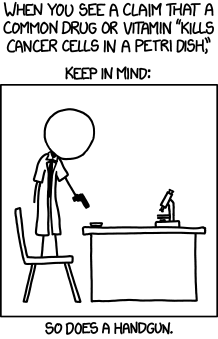

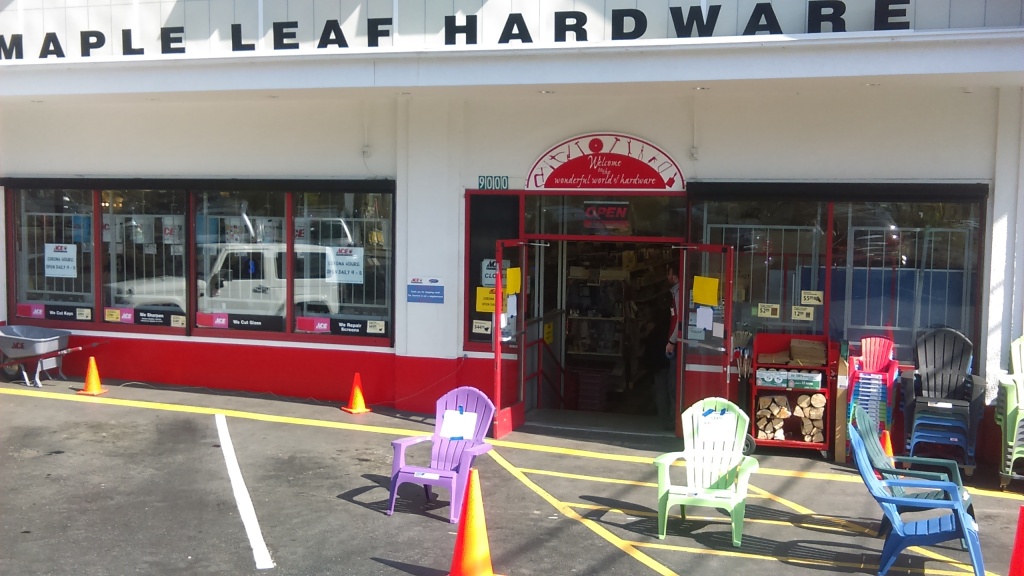
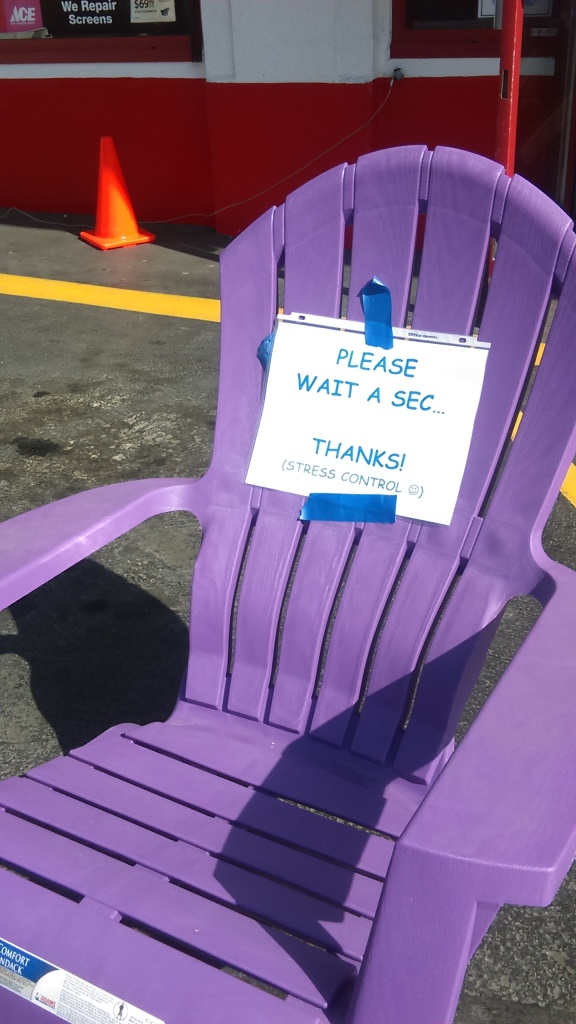
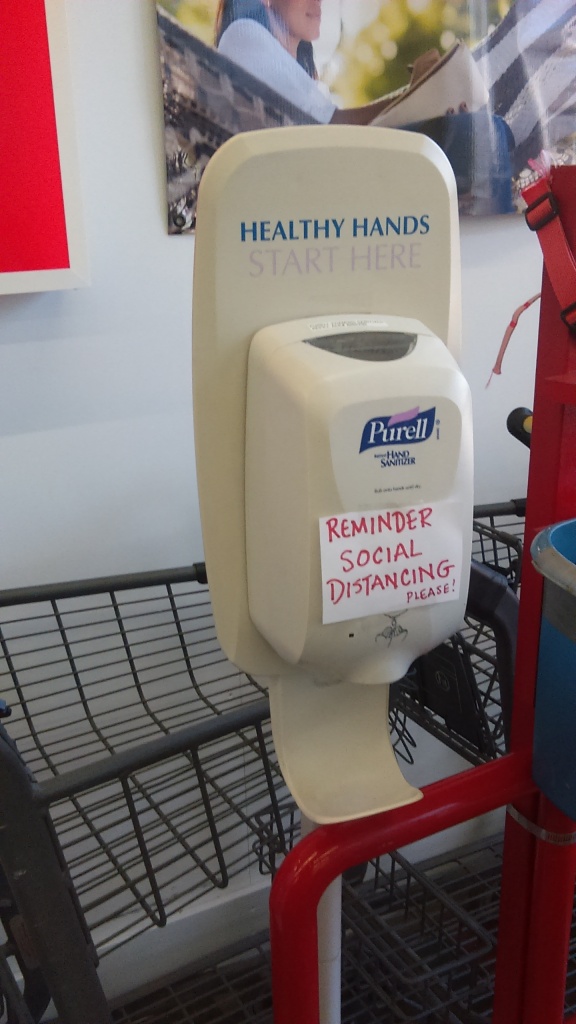
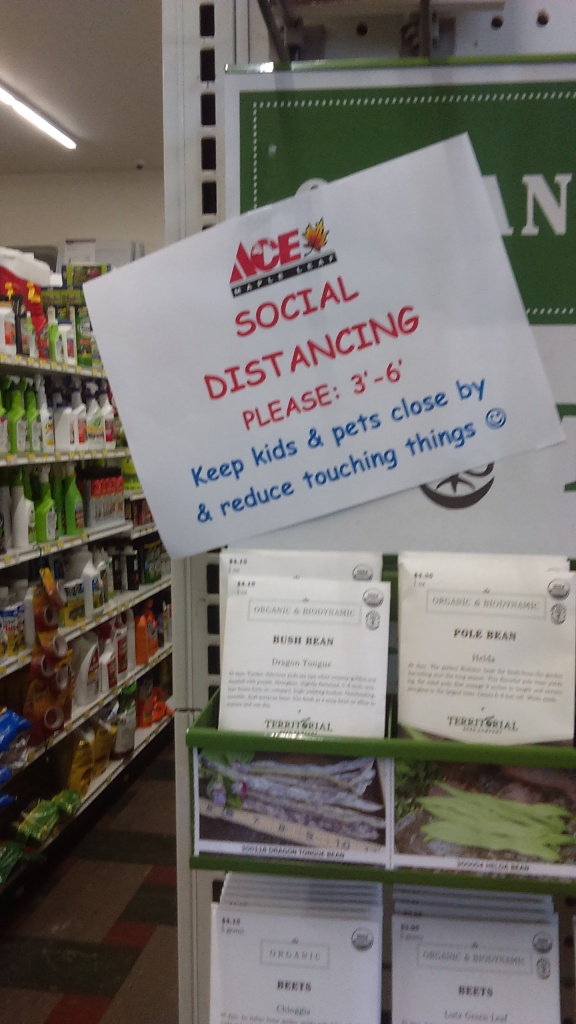

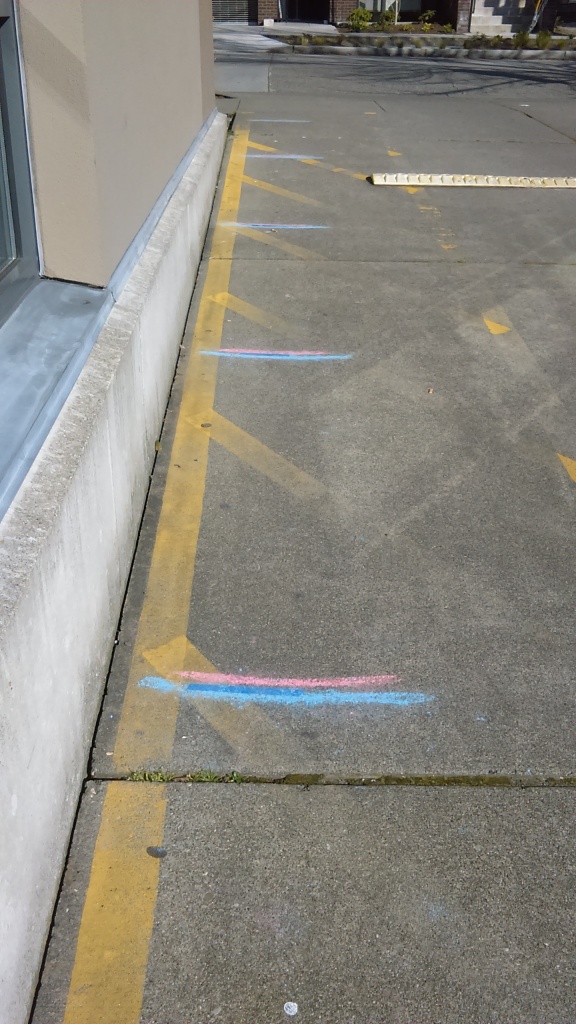
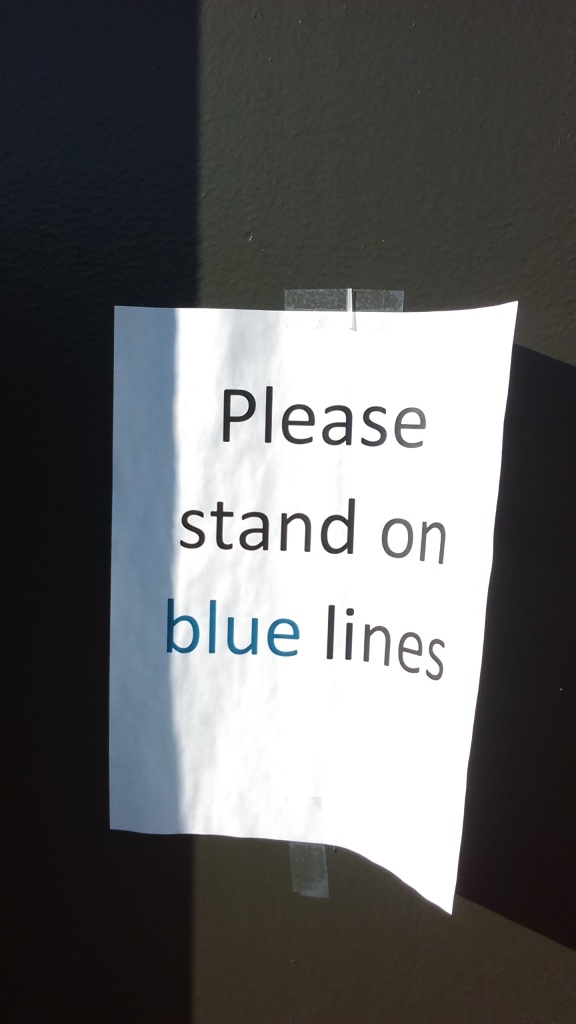
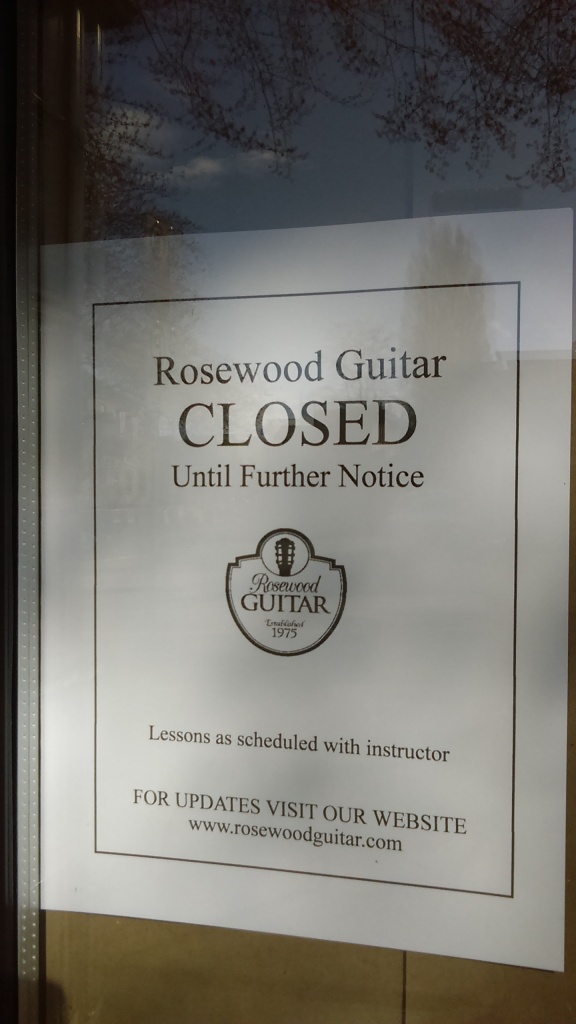
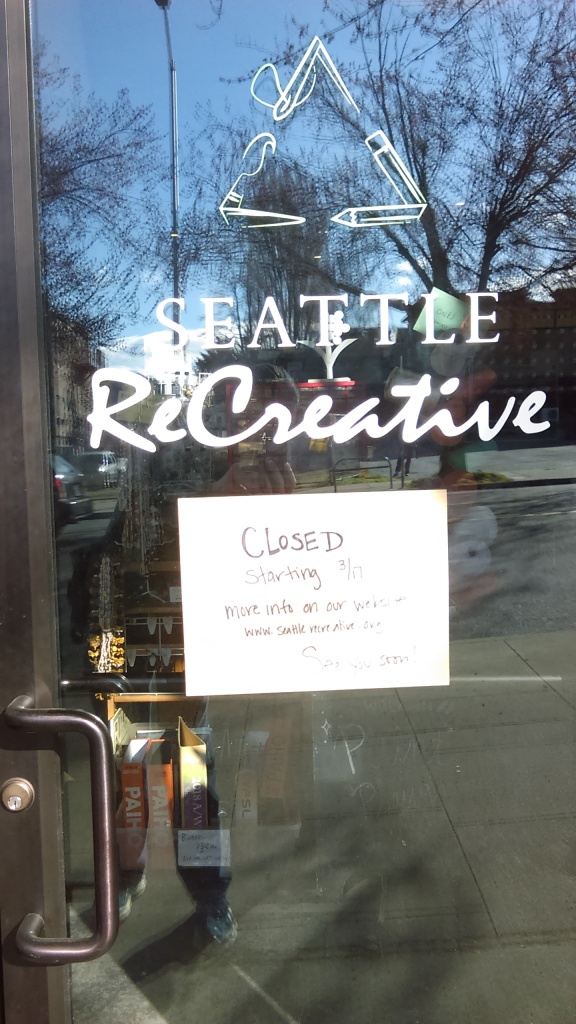
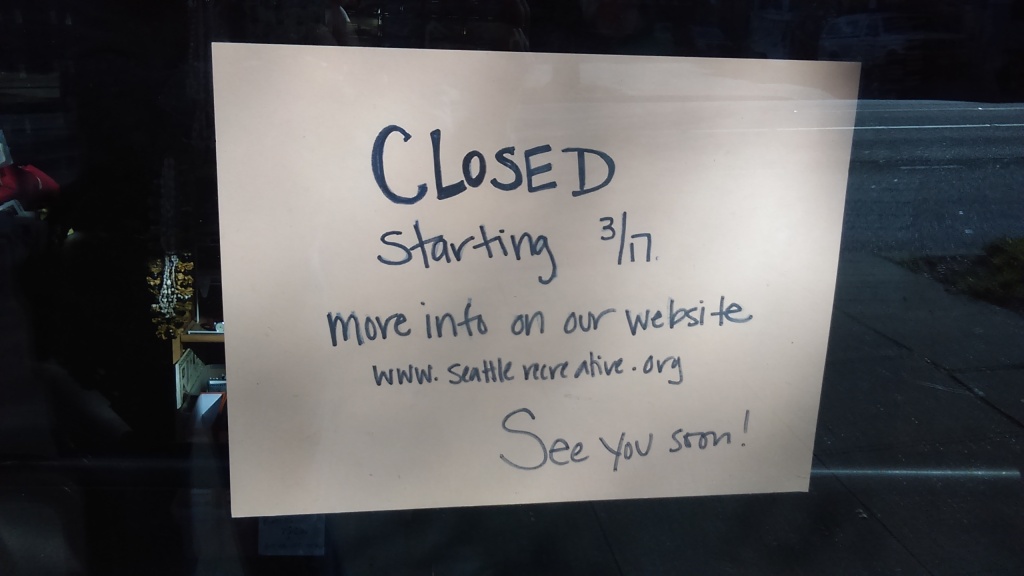
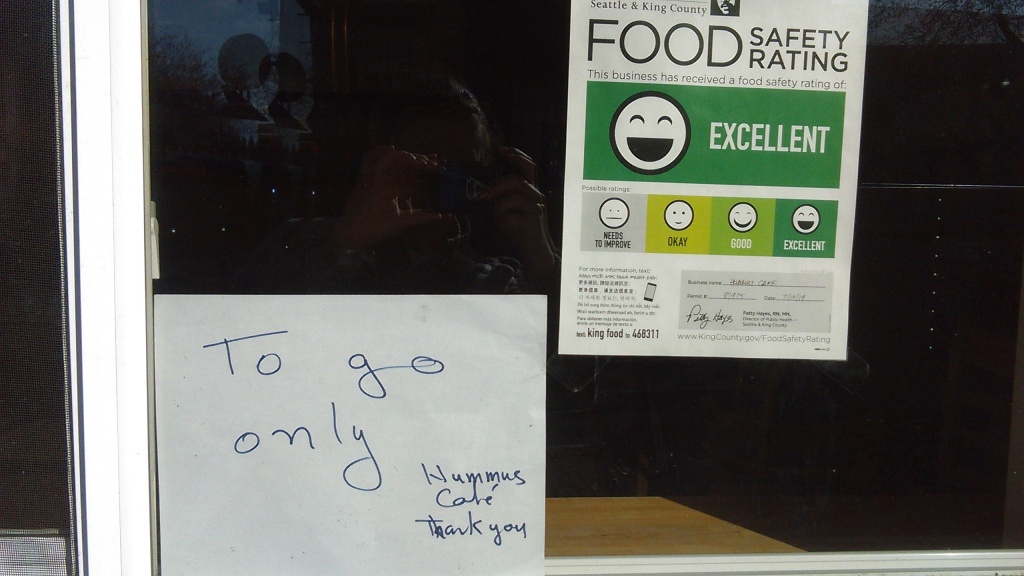
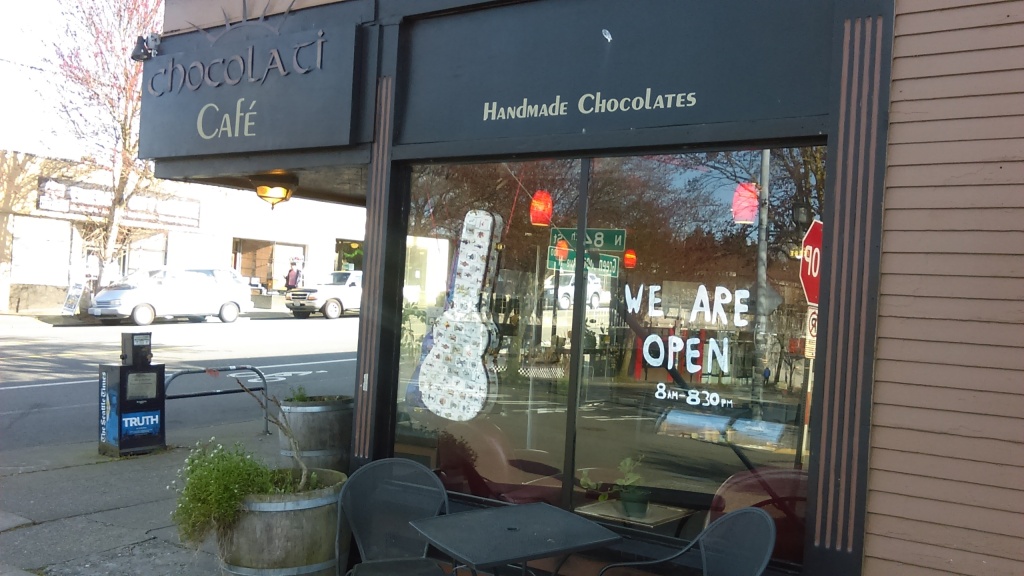
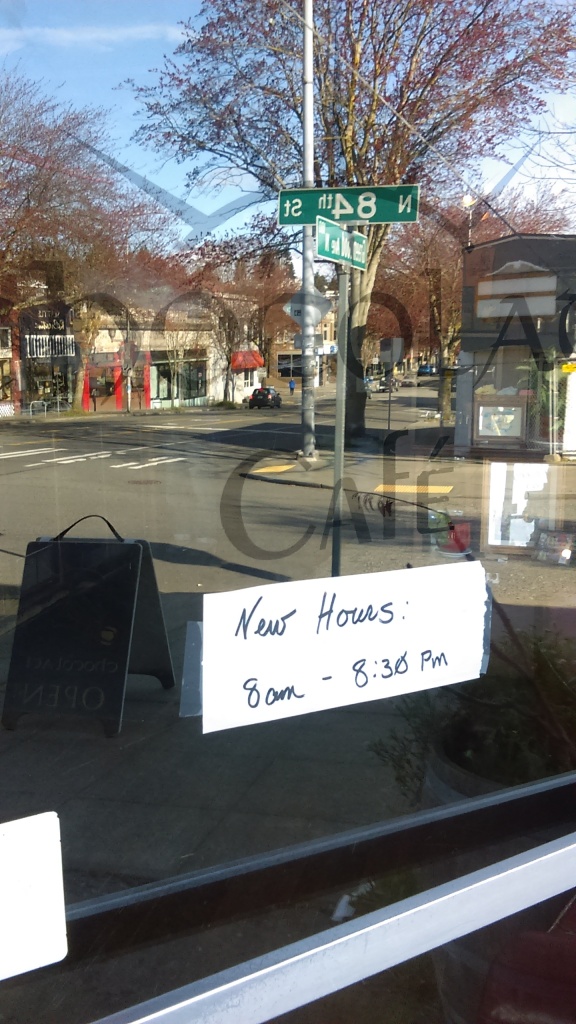
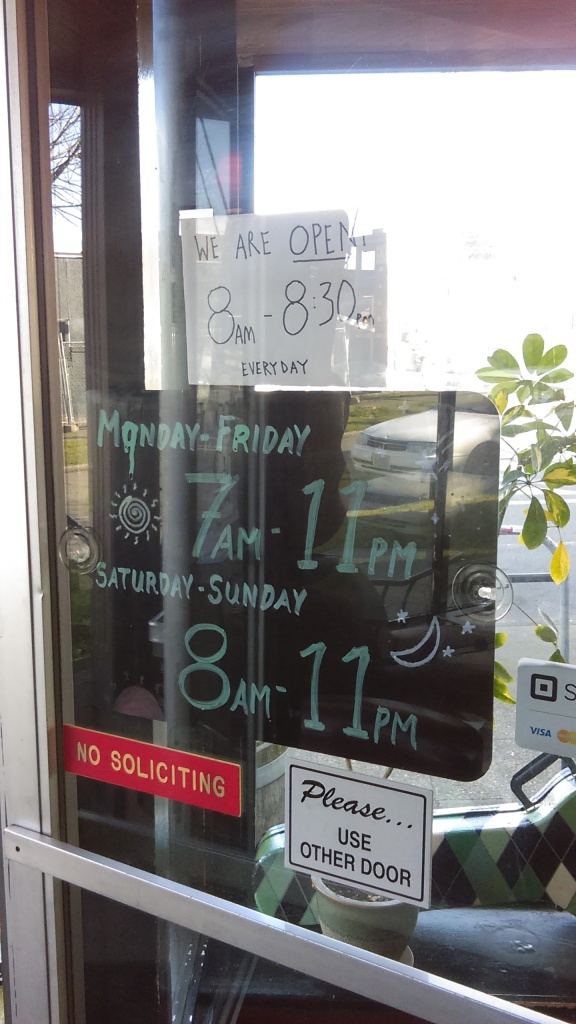
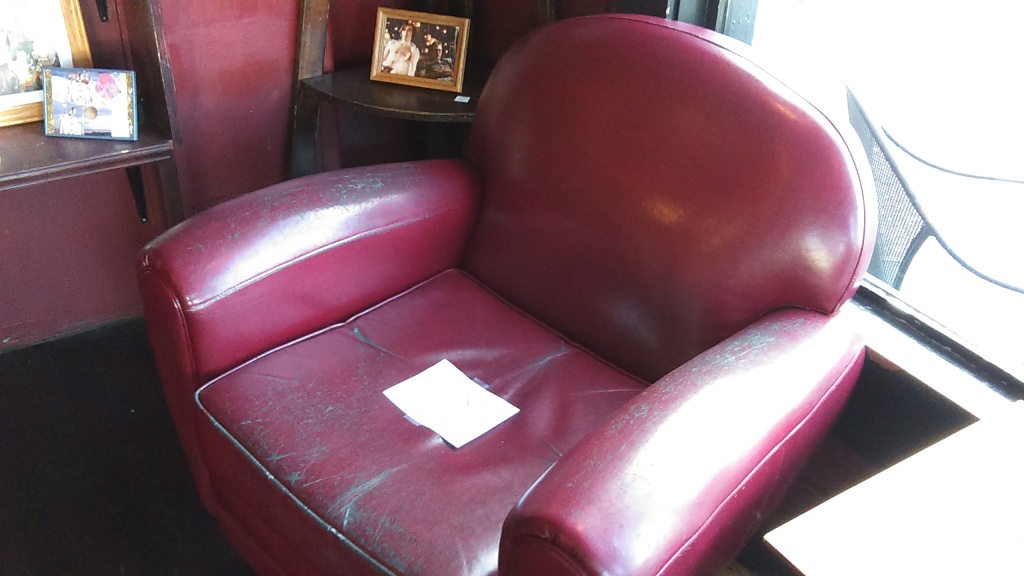
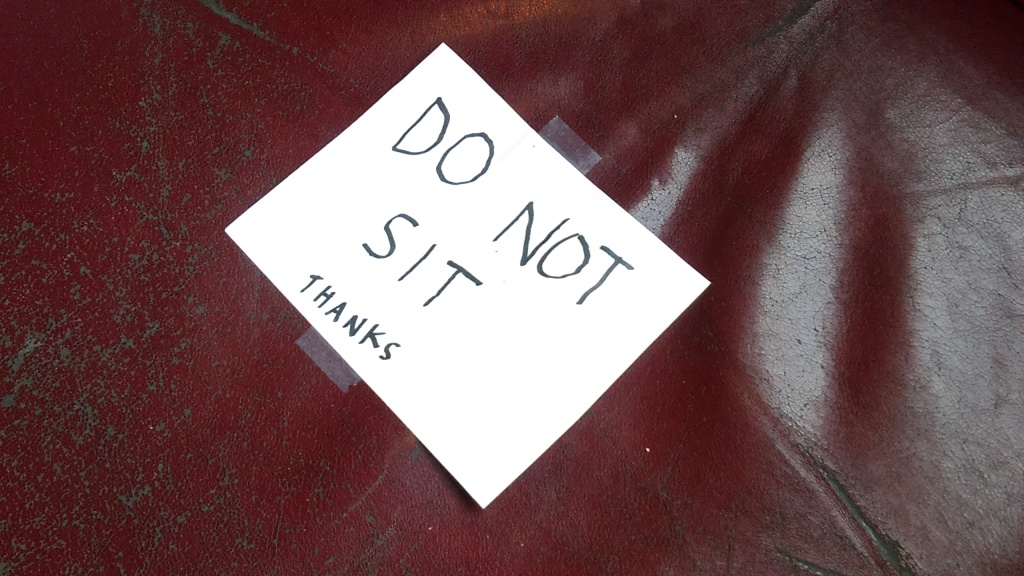
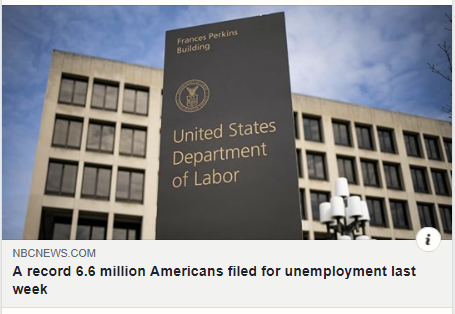
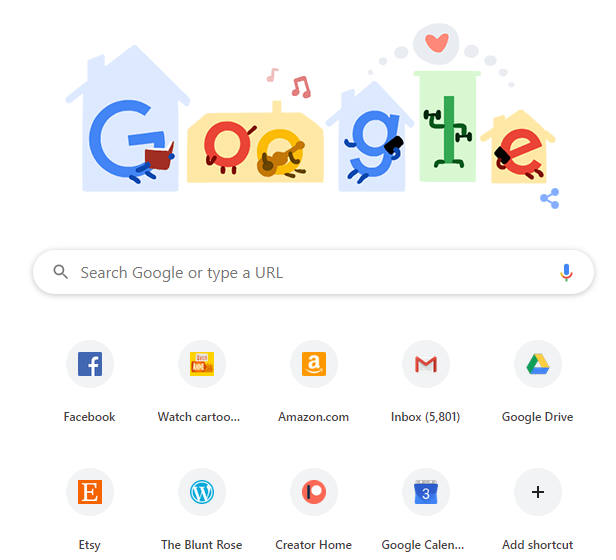
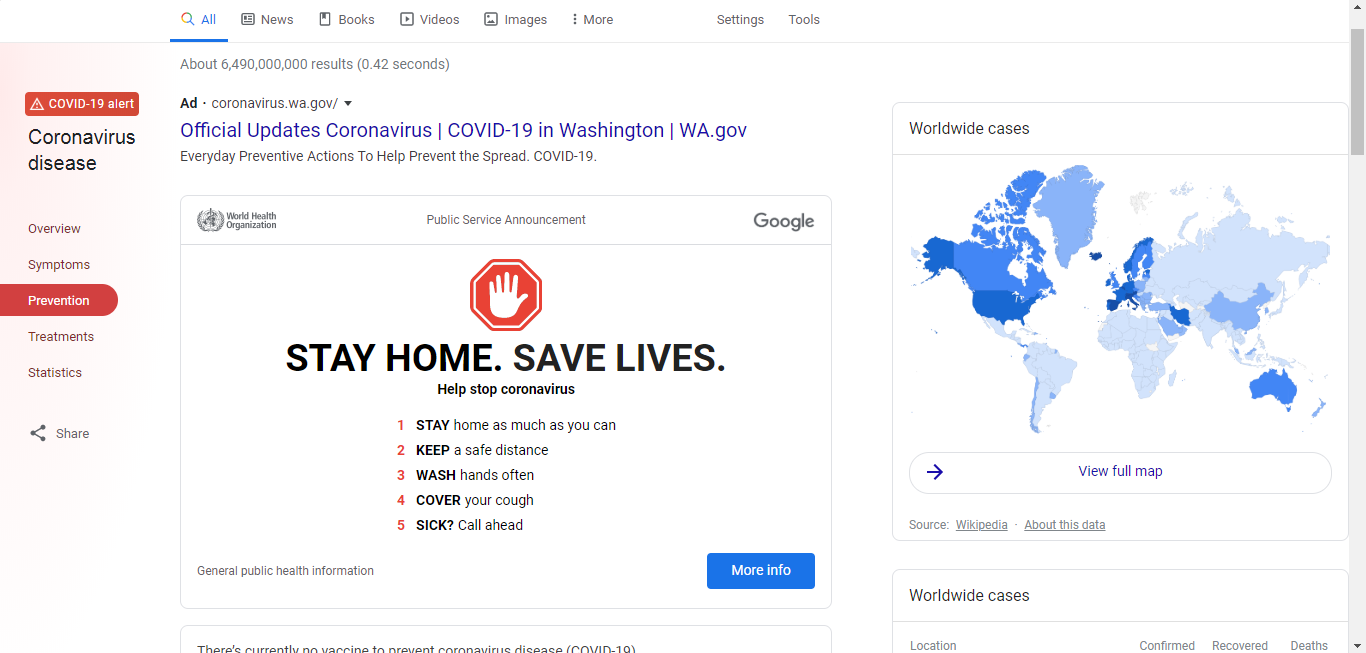
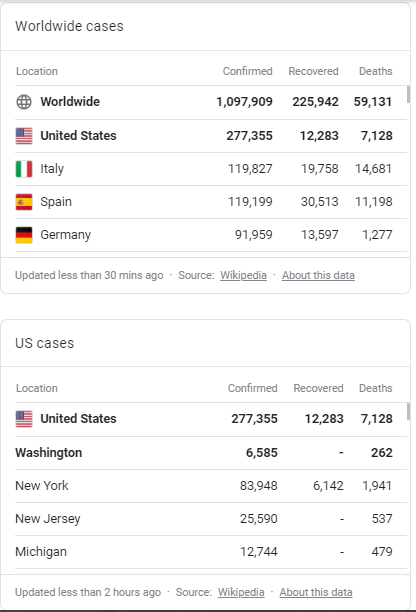
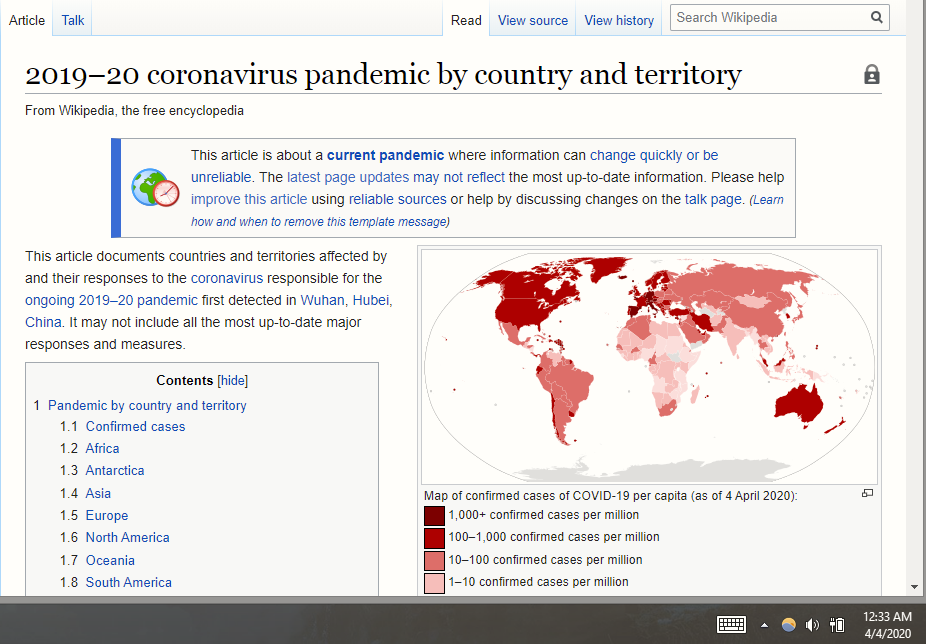
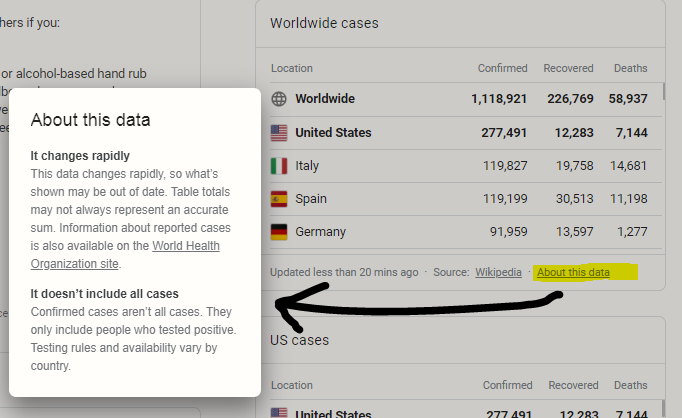


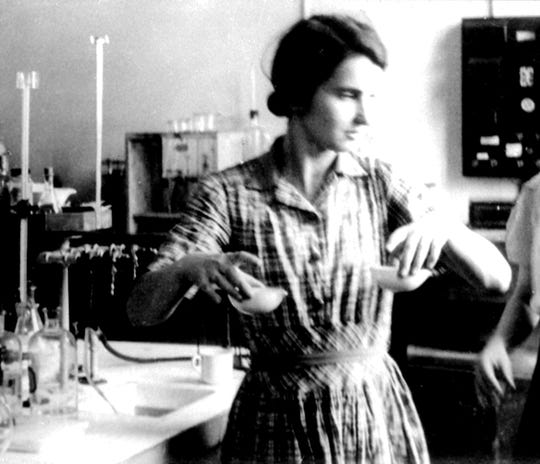
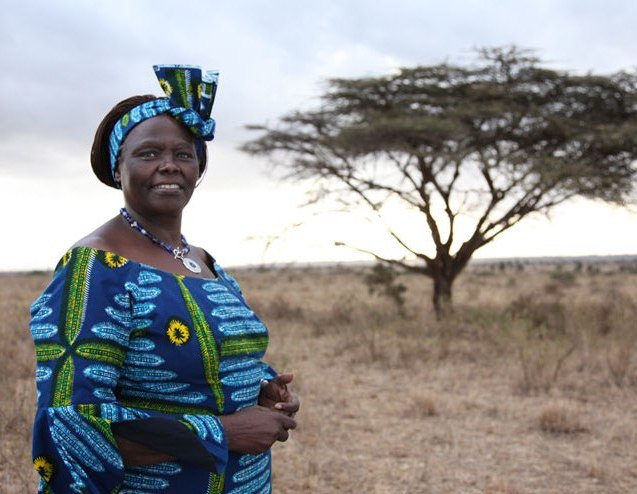
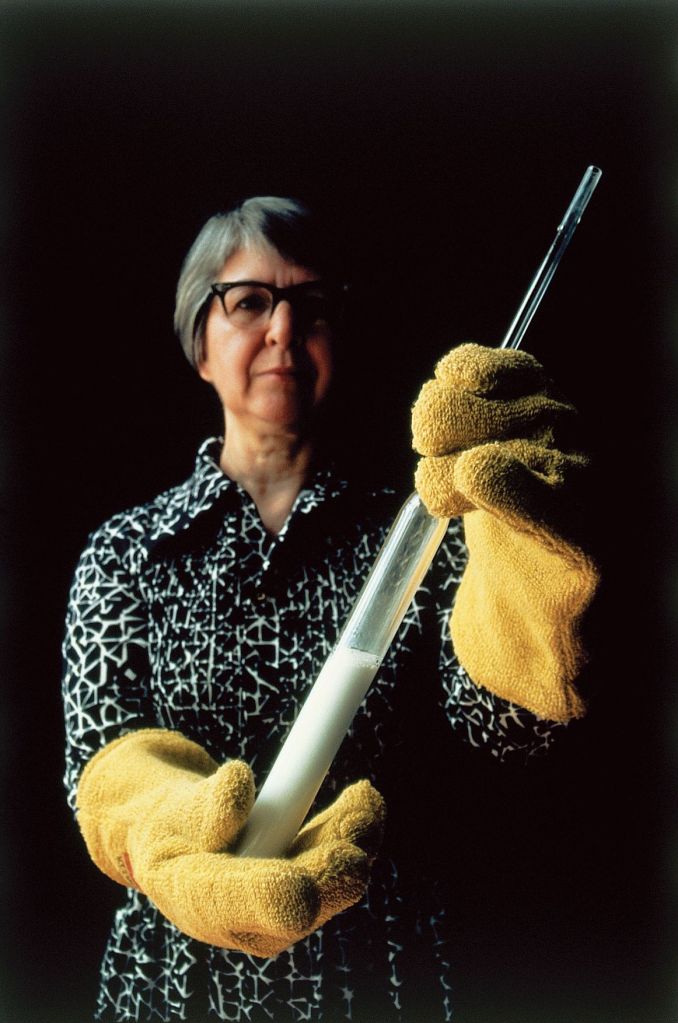
 The Blunt Rose